
 By
By 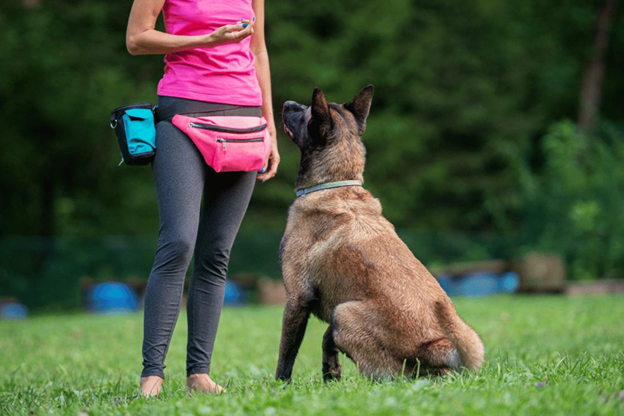
Many people believe that if a burglar breaks into their home, their dog will protect them without hesitation. The truth is, this belief is often wrong. Even a large and strong dog, including breeds people often label as “tough,” may run away or hide when faced with real danger. Most dogs are not born to be a k-9 guard dog, and expecting them to act like one without the right genetics and training can lead to serious problems.
People often encourage their dog when it jumps in front of them or lunges at someone who gets close. They think this means the dog is protecting them. What they do not understand is that this behavior is dangerous for two main reasons. First, the dog is acting without a command, which means the owner has no control. Second, this creates stress and nervous energy in the dog. Over time, this can turn into fear, confusion, or even aggression toward the wrong people.
What you really want is a confident dog that stays calm and only acts when told to. You do not want a dog that snaps at your friend, your sister, or a guest just because they walked too close. Dogs like that are not protective dogs. They are out of control. Not every dog should be trained for protection, and forcing a dog into this role can make things worse, not better.
A Common Mistake Many Owners Make
Many owners confuse fear with protection. A scared dog that barks or growls is not protecting you. That dog is trying to protect itself. When owners praise this behavior, they are teaching the dog that fear is the correct response. This leads to nervous dogs that cannot handle pressure.
Protection work requires balance, control, and confidence. Without those things, the dog will either shut down or react in unsafe ways.
Story One: The Nervous “Guard Dog”
I once met a young woman who owned a pit bull puppy. She clearly did some reading about dog training and used a lot of training terms. When I walked into her home, the dog barked at me and then ran behind her.
Every time I moved closer, the dog hid behind her and showed fear. I asked if she had socialized the dog. She told me she did not want him to be friendly because he was meant to be a guard dog. Since she lived with two other women, I understood why she wanted protection.
The problem was that the dog was afraid of almost everything. He fought going into the crate, and when he was inside, he would panic and try to break out if left too long. This was not a strong or confident dog. This was a nervous dog under pressure.
This dog did not have the right mindset for protection work. Even with a skilled trainer, his weak nerves would always be an issue. The owner was pushing the dog to be something it was not built to be.
Story Two: The Dog That Thought It Was a Game
Another example came from a phone call I received from a young man in Connecticut. He asked if I trained protection dogs. At the time, I did not offer personal protection training because of the risk involved, but we still talked.
He told me his dog would bite a toy or a cone but would not engage with a person. That immediately explained the issue. The dog did not see people as a threat. To the dog, everything was just a game.
This dog had energy and drive, but no understanding of real danger. Without that understanding, the dog could never become a true protection dog.
Two Drives Every Protection Dog Must Have
There are two natural drives that matter most in protection work.
Prey drive is the desire to chase and grab moving things. This is the same drive dogs use when they chase balls or play tug.
Defense drive is the instinct to protect themselves or their family when they feel threatened.
A true protection dog needs both. A dog with only defense drive may be fearful and unsure. A dog with only prey drive may treat everything like play. Without the right balance, the dog cannot do protection work safely or correctly.
Why Genetics Matter in Guard Dog Training
Protection and guard dog training is mostly about genetics. Some dogs are born with strong nerves, confidence, and the right balance of drives. Others are not. No amount of training can fully change a dog’s natural limits.
If a dog does not have the right genetics, it should not be trained as a guard dog. Pushing a dog past its limits will only damage its confidence and behavior.
A Simple Overview of Guard Dog Training
Protection training is not about teaching a dog to be angry. It is about control, timing, and clear communication. A command is chosen so the dog knows exactly when to act and when not to.
Dogs are first introduced to controlled chase and bite activities so they learn how to focus and release energy. This stage helps build confidence and clarity, not aggression.
Later, a trained decoy is used to safely introduce real pressure. This step cannot be done alone. The dog must learn what a real threat looks like and how to respond only when told.
This work must be carefully balanced. Too much pressure can cause the dog to avoid conflict. Too little pressure turns the work into a game. The goal is a calm, confident dog that can switch on and off when needed.
The Role of Obedience in Protection Work
Obedience is just as important as protection skills. A dog that cannot listen is not a protection dog. It is a risk.
Some dogs take protection work very seriously at first and may struggle with obedience early on. This is normal. The handler must balance structured play with control exercises to keep the dog stable and focused.
A well-trained protection dog is calm, clear-headed, and under control at all times.
Final Thoughts on K-9 Guard Dog Training
Training a real protection dog is both a science and an art. It takes time, experience, and a deep understanding of dog behavior. There are many details that cannot be learned from reading alone.
This article is meant to inform, not to encourage people to try this work on their own. If you are interested in testing your dog or learning more, speak with a professional trainer who has real experience in protection work.
For those who want a safer introduction, you may also look into sports like Schutzhund. These sports test a dog’s courage and control in a structured and safe way and can help owners better understand whether their dog is suited for this type of work.




Comments