
 By
By 
You might not think much about a vet visit when your pet seems happy, active, and normal. That is usually how it goes. Life gets busy, your dog is still wagging, your cat is still eating, and it feels easy to put routine care off for another month. Then something changes. Maybe your pet stops eating, starts limping, or seems tired in a way you cannot explain. In that moment, many owners wish they had caught the problem sooner. That is why veterinary preventive care in Boise matters so much. It helps spot issues early, supports long-term health, and gives you a clearer path before a small concern turns into a crisis.
Why do veterinary hospitals put so much focus on preventive care?
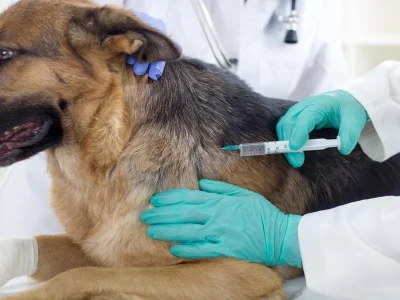
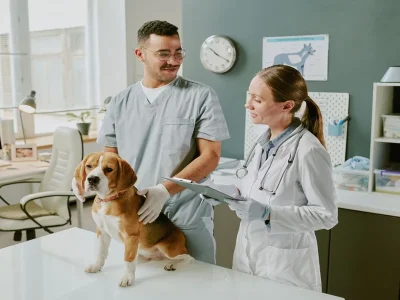
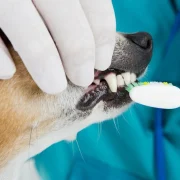
At first glance, preventive visits can seem simple. A wellness exam, vaccines, parasite screening, dental checks, weight monitoring, and a conversation about behavior or diet may not feel urgent. But that quiet routine is exactly what makes it powerful. A veterinary hospital is not only there for emergencies. It is also there to help your pet stay well in the first place.
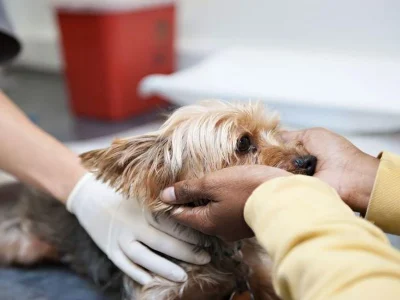
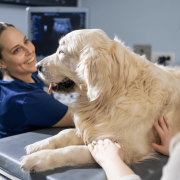
When you bring your pet in for regular care, the team gets to know what is normal for them. That baseline matters. A slight weight loss, a new lump, changes in teeth, or shifts in mobility can be easy to miss at home because they happen gradually. During routine exams, those patterns are more likely to stand out. According to guidance on animal health checks for dogs from UConn Extension, regular observations and scheduled checks can help identify concerns before they become more serious and more expensive to treat.
So, where does that leave you as a pet owner? Usually in a place of tension. You want to do the right thing, but you also have to manage time, money, and the stress of not knowing what your pet may need next. That is exactly why preventive veterinary care matters. It gives you structure instead of guesswork.
What can happen when routine pet care gets delayed?
The hard part about animal health is that pets often hide discomfort well. By the time clear symptoms show up, a condition may already be advanced. Dental disease can begin with bad breath and end with pain or infection. A few extra pounds can slowly turn into joint strain, diabetes risk, or heart stress. Missed parasite prevention can expose pets and people to avoidable health issues. The CDC healthy pets resources explain how regular care helps protect both animal and human health, which matters in any household where people and pets live closely together.
There is also the financial side, and that part is real. Many families put off checkups to save money, only to face a much larger bill later. A routine exam and screening may feel like an optional expense when your pet seems fine. But treating advanced illness, emergency infections, or unmanaged chronic disease often costs far more, both in money and in emotional strain.
This is one reason routine veterinary care is such a central part of modern animal medicine. Research and teaching institutions such as Cornell University’s population medicine and diagnostic sciences department continue to support the idea that early detection, disease monitoring, and public health awareness are linked. Preventive care is not just a checklist. It is part of a larger system that keeps animals healthier over time.
How does preventive care compare with waiting until something is wrong?
When people are unsure about scheduling regular visits, it often helps to look at the difference side by side. The goal is not fear. It is clarity.
| Approach | What It Usually Includes | Likely Outcome |
|---|---|---|
| Preventive care through a veterinary hospital | Wellness exams, vaccines, parasite prevention, dental checks, weight tracking, lab screening | Earlier detection, steadier costs, better long-term health planning |
| Waiting for visible symptoms | Care begins only after limping, vomiting, appetite loss, pain, or behavior changes appear | Higher chance of advanced illness, emergency visits, and more difficult treatment decisions |
That difference can be especially important in places where standards of veterinary oversight are taken seriously. The USDA APHIS guidance on attending veterinarians and veterinary care underscores the importance of ongoing medical oversight in animal care settings. While your pet at home is not the same as an institutional program, the principle still holds. Regular veterinary involvement leads to better monitoring and better decisions.
What can you do right now to make preventive care easier?
1. Schedule wellness visits before you think you need them.
Do not wait for symptoms to force the issue. Put annual or semiannual exams on your calendar now, especially for puppies, kittens, senior pets, or animals with chronic conditions. A simple plan removes a lot of last-minute stress.
2. Track small changes at home.
Write down changes in appetite, thirst, weight, bathroom habits, energy, and behavior. You do not need anything fancy. A note on your phone is enough. These details can help your veterinarian connect the dots early.
3. Ask for a prevention plan that fits your pet.
Not every animal needs the same schedule. Age, breed, lifestyle, and risk all matter. Indoor cats, active dogs, senior pets, and animals with dental or skin issues may need different types of follow-up. A good plan feels personal, not generic.
Why is preventive care still the foundation of good pet health?
If you have ever worried that you missed something, you are not alone. Most pet owners are doing their best with the information they have. The good news is that prevention gives you a way to move from reacting to planning. It creates more chances to catch problems early, more support when questions come up, and more peace of mind as your pet grows and changes.
That is why preventive care remains a cornerstone of veterinary hospitals and why regular veterinary care continues to matter even when everything seems fine. If your pet is due for a checkup, now is a good time to schedule it and build a care plan that supports their health for the long run.




Comments