
 By
By 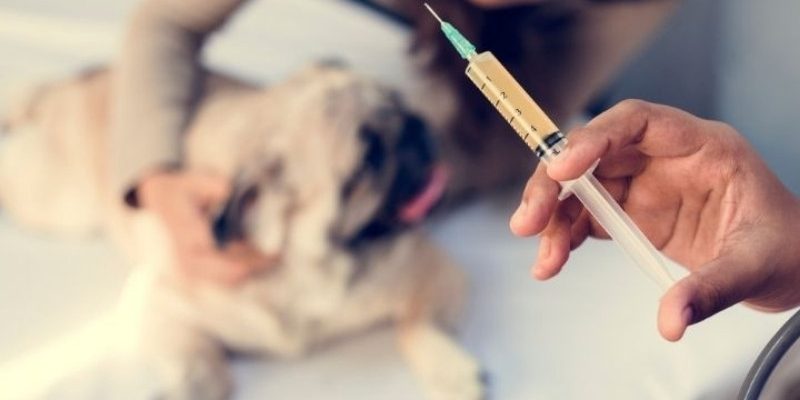
You bring your pet in for an itchy ear, a limp, or a routine exam at an animal hospital in Oakville, Ontario, and the vaccine discussion comes up again. For a lot of owners, that moment feels loaded. You want to do the right thing, but you also do not want to overdo care, spend money blindly, or put your pet through something unnecessary. That tension is real.
Vaccines sit at the center of good veterinary care because they do more than check a box. They lower the risk of serious disease, protect other animals, reduce some public health risks, and give your veterinary hospital a clearer, safer starting point for everything else your pet may need. Pet vaccination in a veterinary hospital is not separate from care. It is part of the structure that makes care work.
Vaccinations shape safer, more effective veterinary hospital care
When a pet is underprotected, small problems can turn into expensive, painful ones. A puppy with no vaccine history who develops vomiting or diarrhea may need isolation, extra testing, and urgent supportive care because diseases like parvovirus have to be taken seriously. A cat with an unknown vaccine status who boards, grooms, or spends time around other cats carries a different level of risk than one with updated protection.
This is where owners often feel stuck. You may be thinking your pet stays indoors, avoids dog parks, or rarely meets other animals. Exposure still happens through shared air, contaminated surfaces, wildlife, shoes, visitors, and brief contact in waiting rooms, apartment hallways, or backyards. Risk is not always dramatic. Sometimes it is ordinary.
Preventive vaccines for pets also matter because veterinary hospitals care for many animals in different stages of health. Some are elderly, some are recovering from surgery, and some have immune systems that cannot handle much. Vaccination lowers the chance that a routine visit becomes part of a larger disease chain inside or beyond the hospital.
That public health piece is not abstract. Rabies remains one of the clearest examples of why vaccination matters beyond the individual pet. The CDC outlines rabies guidance for veterinarians because prevention depends on consistent vaccination, exposure management, and coordination between pet owners, veterinary teams, and public health agencies.
The same broader view shows up in national planning. The recent One Health plan released by the U.S. government reflects a simple truth. Animal health, human health, and environmental health affect each other. A veterinary hospital does not treat your pet in a bubble.
Delaying vaccines often raises medical and financial risk
Most owners are not avoiding vaccines because they do not care. They are weighing timing, cost, past reactions, age, lifestyle, and what they have read online. That is reasonable. The problem starts when delay is treated as harmless by default.
If protection lapses, your pet may need to restart parts of a vaccine series, especially early in life. That means more visits, more time, and more cost. If your dog is exposed during that gap, the consequences can be far worse than the price of prevention. Treatment for preventable infectious disease can involve hospitalization, fluids, isolation, repeat exams, medication, and days of uncertainty. Even when pets recover, the physical stress is real.
There is also the issue of access. Boarding facilities, groomers, trainers, daycares, and some housing communities often require proof of certain vaccines. When records are incomplete, your options narrow fast. A delayed decision made in a quiet month can become a crisis when you suddenly need travel, surgery, or emergency boarding.
Veterinary hospital vaccinations work best when they are tailored, not automatic. Core vaccines are widely recommended because the diseases involved are severe, common, or a public health concern. Non core vaccines depend more on lifestyle and exposure. A hunting dog, an indoor senior cat, and a puppy in a busy apartment complex do not face the same risks. Good care means looking at your pet’s real life, then building a plan that fits.
Vaccination decisions are clearer when risks and benefits are side by side
| Approach | Short Term Appeal | Likely Risk | Long Term Cost |
|---|---|---|---|
| Stay current on recommended vaccines | Planned visits and predictable costs | Mild soreness or brief fatigue in some pets | Usually lower overall medical expense and fewer disruptions |
| Delay vaccines without a medical reason | Avoids one appointment now | Loss of protection, access issues for boarding or grooming, exposure during gaps | Higher chance of urgent care, testing, and treatment costs |
| Skip vaccines entirely | No immediate vaccine expense | Greater risk of severe preventable disease and possible public health consequences | Highest chance of major medical bills, quarantine issues, and care limitations |
The point is not that every pet needs every vaccine at every visit. The point is that prevention is usually easier, safer, and less expensive than treatment after exposure or illness. In a veterinary hospital, vaccines support cleaner decision making. Doctors can evaluate symptoms with less concern that a preventable infectious disease is driving the problem. That changes how quickly care moves and how safely pets can be around others.
Clear steps help you make better vaccine decisions for your pet
Ask for a risk based vaccine review. Bring up your pet’s daily life in plain terms. Indoor or outdoor habits, daycare, travel, wildlife exposure, boarding, chronic illness, age, and past vaccine reactions all matter. A useful vaccine plan starts with those details.
Keep one accurate vaccine record. Use a single paper file or digital folder for dates, products, lot information if available, and due dates. This saves time during emergencies and helps avoid missed boosters or duplicate vaccines.
Schedule prevention before you need access. Do not wait until boarding, grooming, travel, or a move is days away. Some vaccines need time to build protection, and some facilities have waiting periods after administration. Planning ahead protects your pet and keeps your options open.
Good veterinary care starts before illness shows up
You are not being difficult for wanting clarity. Vaccines can feel routine on the surface, but the decision carries real weight because it touches your pet’s safety, your budget, and your peace of mind. The good news is that this does not have to be guesswork. A strong vaccination plan is one of the clearest ways a veterinary hospital protects your pet before a problem starts, and that kind of prevention is often the care that matters most.
If your pet’s vaccine schedule is overdue, unclear, or changing with age and lifestyle, schedule a visit with a veterinary hospital and review what protection still makes sense now.



Comments