
 By
By 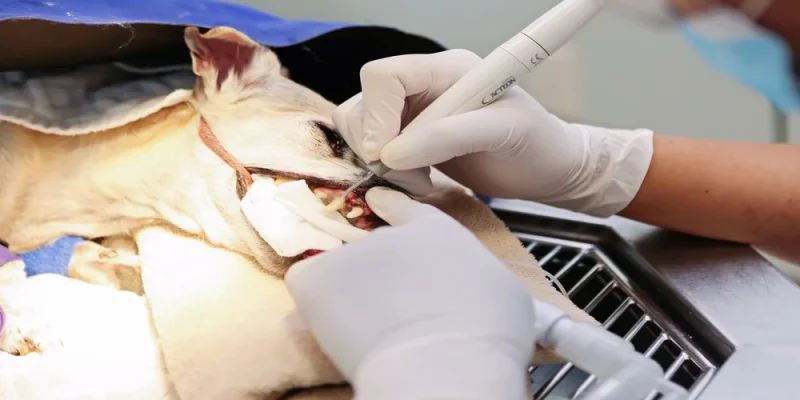
You might be feeling a little unsure after hearing that your pet needs dental X rays. Maybe your dog still eats normally, or your cat only showed a small sign of discomfort, and now you are being told there could be more going on under the surface. That can feel like a lot. When a pet seems mostly fine, it is natural to wonder whether imaging is really needed, or whether it is just an extra step. Similar questions often come up when discussing other forms of preventive care, including veterinary spay and neuter services in North Little Rock.
Here is the short answer. Dental X rays help an animal clinic find pain, infection, tooth damage, and bone loss that cannot be seen by looking at the mouth alone. In many pets, the real problem sits below the gumline, which means treatment decisions are often safer and more accurate when those hidden areas are visible. If you have ever wondered why veterinary dental radiographs matter so much, it often comes down to one simple truth. Pets cannot tell you where it hurts.
Why can a pet look normal and still need dental X rays?
Pets are good at hiding pain. In the wild, showing weakness can be risky, and that instinct still shows up in the animals who share your home. Because of that, your pet may keep eating, playing, and greeting you at the door while living with a cracked tooth, a deep infection, or bone loss around the roots.
That is where dental imaging at an animal clinic becomes so useful. A physical exam can reveal tartar, redness, broken teeth, or swelling, but it cannot fully show what is happening inside the tooth or under the gums. Root abscesses, resorptive lesions in cats, retained roots, and jaw bone changes often stay hidden until an X ray brings them into view.
So, where does that leave you? It means a mouth that looks mild on the outside can still hold a painful problem. It also means a cleaner mouth is not always a healthier mouth unless the deeper structures have been checked too.
What problems can dental X rays catch that an exam alone might miss?
This is often the part that helps pet owners feel more at ease. Dental X rays are not just taken to confirm what is already obvious. They are used because many dental conditions are invisible without them.
For example, a dog may have a tooth that looks worn but stable. On an X ray, that same tooth may show a dead root or infection spreading into the surrounding bone. A cat may have a normal looking crown, while the root is being destroyed by a painful resorptive process. If those problems are missed, the pet may continue living with pain, and treatment may be delayed until the damage gets worse.
Veterinary dental training programs place strong focus on imaging because it changes care in a meaningful way. Cornell highlights the role of veterinary dentistry diagnostics in identifying oral disease correctly. Their dentistry and oral surgery practical skills course also reflects how closely imaging and treatment planning work together. At Penn Vet, you can see how dental procedures for pets often depend on radiographs to guide safe care.
Because of this, pet dental X rays are often part of good medicine, not an optional extra. They help the clinic know whether a tooth can stay, whether it needs treatment, or whether extraction is the kindest path.
How do dental X rays help with cost, safety, and treatment choices?
It may seem odd, but dental X rays can actually help avoid wasted money and added stress. Without them, a clinic may have to make decisions with incomplete information. That can lead to missed disease, unnecessary treatment, or a need for another procedure later.
Think about two common situations. In the first, a pet gets a cleaning without X rays, and a hidden infected root remains. The bad breath returns, the pet still hurts, and another anesthetic visit may be needed. In the second, the clinic takes images during the same dental visit, finds the source of pain, and treats it right away. One plan often leads to more clarity, fewer surprises, and better relief.
There is also the question of safety. During extractions, dental radiographs help the veterinary team see root shape, tooth position, and nearby bone. After extraction, they can confirm that no root fragments were left behind. That matters because retained roots can keep pain and infection going.
What are the real benefits and limits of dental radiographs for pets?
| Question | Without Dental X Rays | With Dental X Rays |
|---|---|---|
| Can hidden root disease be found? | Often missed | Much more likely to be found |
| Can treatment be tailored to the actual problem? | Based only on what is visible above the gumline | Based on the full tooth and bone structure |
| Can extractions be checked for retained roots? | No clear confirmation | Yes, images can confirm the result |
| Risk of untreated pain continuing | Higher | Lower when disease is identified and treated |
| Does it remove every uncertainty? | No | No, but it gives a far clearer picture |
No tool is perfect, and that is worth saying plainly. Dental X rays do not replace the exam, the cleaning, or the judgment of the veterinary team. They support those things. But when it comes to finding hidden disease, they add information that the eye simply cannot provide.
What can you do right now if your pet may need animal clinic dental care?
1. Ask what the team is trying to rule out.
If dental X rays are recommended, ask which concerns are on the list. Is the clinic checking for root infection, tooth resorption, bone loss, or a fracture? When you know the reason, the recommendation often feels less vague and more grounded.
2. Ask how the images could change treatment.
This is a useful question because it gets to the heart of value. If the answer is that the X rays may show whether a tooth needs extraction, whether disease is hidden under the gums, or whether a painful area is more severe than it looks, you can better judge the next step.
3. Watch for subtle signs of dental pain at home.
Bad breath, dropping food, chewing on one side, pawing at the mouth, facial swelling, quiet behavior, and avoiding hard treats can all matter. Even if the changes seem small, they can help the clinic connect the dots and decide whether imaging and other animal clinic dental services are needed.
When you want answers, dental X rays can bring relief
If you are weighing whether dental X rays are worth it, the kindest way to look at it may be this. They help uncover pain your pet cannot explain, and they give the veterinary team a better chance to treat the real problem the first time. That can mean less guessing, fewer setbacks, and more comfort for the animal who depends on you.
If your pet has been showing signs of dental trouble, or if your veterinary team has recommended imaging, it is okay to ask questions and move forward with clarity. A thoughtful conversation with your animal clinic can help you understand what the X rays may reveal and what care makes the most sense next.





Comments