
 By
By 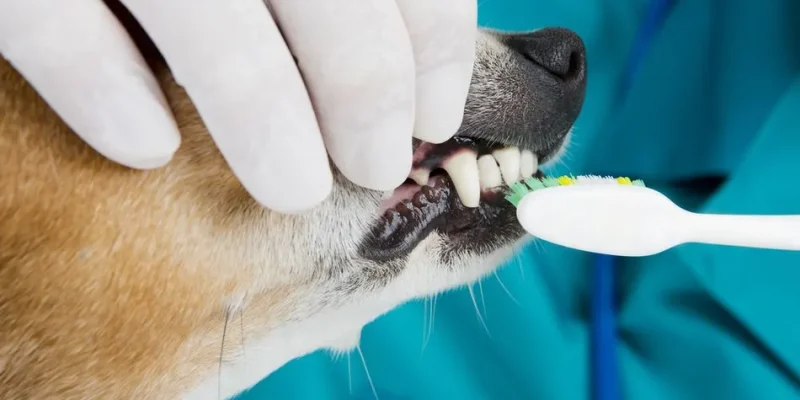
You might not notice the problem at first. Maybe your dog still eats well, still greets you at the door, still seems like the same happy companion, but then you catch a bad smell on their breath, or you see red gums, or you hear that small hesitation when they chew. That is often how dental trouble begins. Quietly, then all at once. If you feel unsure about what matters, what can wait, and what belongs in a home routine versus a clinic visit, you are not overreacting. Dental care can feel easy to postpone until it turns into pain, infection, or a costly procedure. The good news is that animal hospitals, including Bartlett animal hospital, play a steady, practical role in stopping that slide early. They support preventive dental programs through exams, cleanings, education, risk checks, and home care plans that fit your pet’s age and health.
Why do preventive dental programs matter before your pet seems sick?
Dental disease often hides in plain sight. Plaque builds up, tartar hardens, gums become inflamed, and bacteria move below the gumline long before a pet cries out or refuses food. Because animals are so good at masking discomfort, waiting for obvious signs can mean the problem has already advanced. That is where preventive pet dental care becomes so important. It shifts the focus from treating pain after it starts to reducing the chance that pain develops at all.
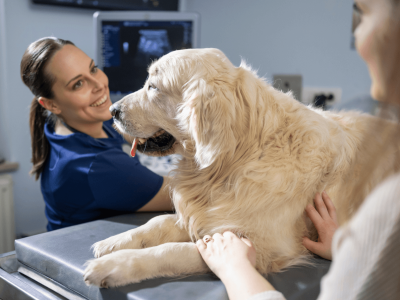
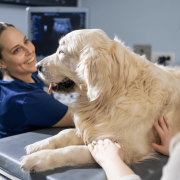
Animal hospitals support this process by making dental checks part of regular wellness care. During routine visits, a veterinary team can look for early gum inflammation, broken teeth, loose teeth, oral masses, and signs of infection that a pet owner may never see at home. They also help sort out what is normal staining and what points to disease. That kind of guidance matters because not every bad breath issue is minor, and not every chew product on a store shelf is useful or safe.
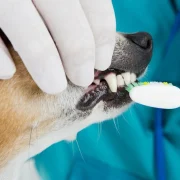
If you have ever wondered whether brushing really makes a difference, the answer is yes, but it works best when it is part of a bigger plan. Cornell’s guidance on dental disease and home dental care explains how daily care at home can help slow plaque buildup and protect gum health. Still, home care alone cannot always address what is happening under the gums, which is why veterinary oversight matters.
How do animal hospitals turn dental prevention into a real plan?
So, where does that leave you if you want to do the right thing but do not know where to start? Usually, it starts with structure. Animal hospitals do more than offer a cleaning when things look bad. They help build a preventive program around your pet’s life stage, breed, habits, and medical history.
For a young pet, that may mean baseline oral exams, advice on tooth brushing, and guidance on safe chews. For an older pet, it may mean closer monitoring, dental imaging, and bloodwork before a cleaning because age can bring added risks. Short-faced breeds, small dogs, and pets with crowded teeth often need more support because they are more prone to periodontal disease. A good program is not one-size-fits-all. It is adjusted over time.
This matters financially too. A simple preventive visit is usually easier to manage than emergency treatment for extractions, deep infection, or systemic illness tied to advanced dental disease. The USDA APHIS resource on preventive care for periodontal disease in dogs reinforces a point many owners learn the hard way, which is that prevention lowers the burden of disease before it becomes severe.
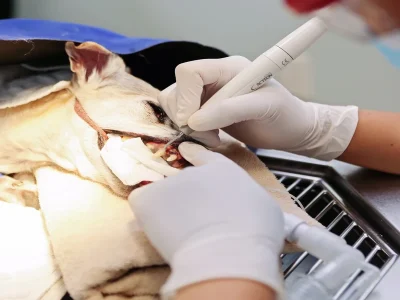
In practical terms, animal hospitals often support veterinary dental prevention through oral exams, anesthesia based cleanings when needed, dental X-rays, polishing, charting, treatment of painful disease, and coaching for home routines. They also help you separate internet myths from useful care. For example, anesthesia free cleaning may sound easier, but it does not allow full cleaning under the gumline, and it can miss disease that a proper exam would catch.
What is the difference between home care and professional animal hospital dental care?
Because this is where many people get stuck, it helps to see the roles side by side. Home care is important. Professional care is also important. They work best together.
| Type of Care | What It Helps With | Limits to Know | Best Use |
|---|---|---|---|
| Daily tooth brushing at home | Reduces plaque buildup, supports fresher breath, helps gums stay healthier | May not remove hardened tartar, cannot assess below the gumline | Daily prevention between vet visits |
| Dental chews or approved oral products | Can lower plaque for some pets, gives added support to a routine | Not all products work equally well, some pets cannot use them safely | Supplement to brushing and exams |
| Routine oral exam at an animal hospital | Finds early signs of gum disease, broken teeth, pain, masses, and infection | Surface exam may not show all disease under the gums | Regular screening and planning |
| Professional dental cleaning with veterinary oversight | Removes tartar, evaluates full mouth health, may include X-rays and treatment | Requires scheduling, cost, and medical review | When buildup or disease is present, and for ongoing prevention plans |
The key point is simple. Home care slows disease. Professional care finds and treats what home care cannot reach. That is why an animal hospital is central to a strong prevention program, not just a place you visit after a problem gets worse.
What can you do right now to support your pet’s dental health?
1. Look for small changes before they become big ones.
Check your pet’s breath, gums, and chewing habits. If you notice bad breath, drooling, red gums, pawing at the mouth, dropping food, or reluctance to chew, do not brush it off as normal aging. Those are often early signs that deserve attention.
2. Build a simple home routine you can actually keep.
Daily brushing is ideal, but even a consistent routine that starts slowly is better than doing nothing because perfection feels out of reach. Use pet safe toothpaste, introduce brushing in short sessions, and ask your veterinary team which products fit your pet’s needs.
3. Schedule regular dental checkups with an animal hospital.
A preventive program works best when someone is tracking changes over time. Ask how often your pet should have oral exams, whether breed or age raises their risk, and when a professional cleaning makes sense. A clear plan now can spare your pet pain later.
When does prevention start to feel worth it?
Usually when you realize prevention is not about doing everything at once. It is about staying ahead of pain, protecting quality of life, and making care more manageable over time. If your pet’s mouth seems fine, that is the best moment to start paying attention. If you already see warning signs, it is still not too late to step in. Animal hospitals support preventive dental programs by giving you a roadmap, not a lecture, and by helping you make smart choices before small issues become hard ones.
Your pet depends on you to notice what they cannot explain. A steady dental routine, backed by regular veterinary care, can make a real difference in comfort, health, and daily life.




Comments