
 By
By 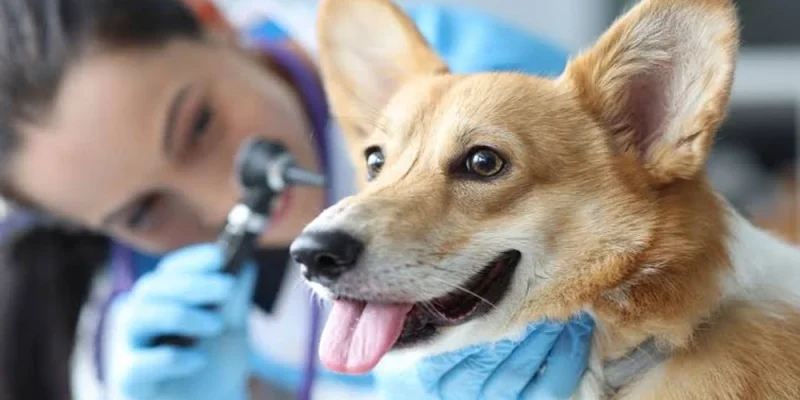
You might be feeling a mix of love and worry every time you look at your pet. Maybe your dog is slowing down a bit, your cat has started drinking more water than usual, or you just saw another scary story online about a “sudden” illness in an otherwise healthy animal. A Roanoke veterinarian understands these concerns all too well. You care deeply, but you might be wondering if you are really doing enough to protect your pet’s health over the long run.end
That tension is very real. There is the “before” where your pet seems fine and life is busy, and the “after” where you are sitting in an emergency clinic at 2 a.m. asking yourself if something could have been caught earlier. Somewhere in between those two moments is your relationship with a trusted general veterinarian, and that ongoing partnership is what quietly shapes your pet’s long term wellness.
In simple terms, a good general vet helps prevent problems before they explode into crises, catches early signs of disease when treatment is easier and cheaper, and guides you through everyday decisions about food, behavior, and aging. Think of long term pet wellness care as a slow, steady investment that pays off in more good years together, fewer surprises, and a lot less guilt and second guessing.
Why does a general vet matter when my pet “seems fine” right now?
When your pet appears healthy, it is easy to skip checkups or delay vaccines. You might tell yourself that your pet hates the carrier, or that you cannot afford another bill this month, or that you went last year so things are probably still fine. Because of this, many animals only see a veterinarian when something obvious is wrong.
The problem is that many diseases build slowly and quietly. Kidney disease in cats, arthritis in dogs, dental infections, weight gain that stresses the heart, these rarely show clear signs until they are fairly advanced. By the time you notice constant drinking, panting, limping, or bad breath, your pet may already be uncomfortable and treatment might be more complex and costly.
So where does that leave you? This is where the general veterinarian steps in as more than someone who only gives shots. Think of your vet as a long term health partner for your pet. Here are five specific ways they protect and strengthen your pet’s health over time.
1. How do regular wellness exams catch problems early?
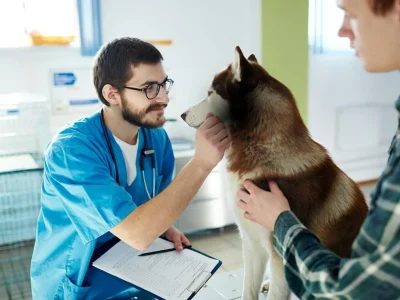
Routine checkups are the backbone of ongoing veterinary care for pets. A yearly visit for a young adult pet, or twice-yearly for seniors, lets your vet compare “today” to prior visits and spot subtle changes you would never notice at home.
During a wellness exam, your vet listens to the heart and lungs, checks eyes and ears, feels the abdomen and lymph nodes, examines joints, skin, and teeth, and reviews weight trends. They may run basic blood and urine tests. None of this is random. They are looking for early hints of heart disease, kidney or liver issues, thyroid problems, arthritis, and more.
Imagine a cat whose kidney values are just starting to creep up. The cat is acting normal at home, but bloodwork at the annual visit shows a mild change. Your vet can adjust diet, monitor more closely, and delay progression. That is very different from discovering the problem only when the cat stops eating and needs hospitalization.
2. How does preventive care reduce emergencies and long term costs?
Preventive care is more than vaccines. It includes parasite control, dental care, weight management, and screening tests based on age and risk. Each of these pieces protects your pet from painful conditions and also protects your wallet from larger, avoidable bills later.
For example, consistent flea and tick medication can prevent skin infections and tick-borne diseases. Heartworm prevention is far easier and cheaper than treating a full-blown heartworm infection, which can be life threatening. Vaccines protect against illnesses like parvovirus and distemper that can require intensive care if your pet becomes sick.
Without this kind of general veterinarian guidance, it is easy to miss doses, skip boosters, or choose products that are not appropriate for your pet’s age or health. Over the years, that gap can quietly increase the risk of emergencies that are far more stressful and costly than routine care.
3. How can nutrition advice shape my pet’s health for years?
Food is one of the most powerful tools you have for long term pet wellness, yet it is also one of the most confusing. Pet food labels, marketing claims, online opinions, all of these can leave you unsure about what is truly right for your animal.
A general vet can help you choose a diet that fits your pet’s life stage, breed tendencies, medical conditions, and lifestyle. If your pet needs a therapeutic diet for kidney disease, allergies, or weight control, your veterinarian can explain why a certain formula matters and how to transition safely.
For deeper or more complex diet questions, many general vets collaborate with veterinary nutrition specialists. Resources like the Cornell Veterinary Nutrition Service can help design or review tailored diets, including home cooked plans when appropriate. This kind of guidance can support healthy growth in puppies and kittens and help older pets stay comfortable and strong.
4. How does a general vet support behavior and emotional wellness?
Long term pet wellness is not only about organs and lab results. Your pet’s emotional health matters just as much. Anxiety, aggression, house soiling, and destructive behavior are not only stressful for you. They often reflect fear, confusion, or even pain in your pet.
A general veterinarian can help sort out whether a behavior change is medical, environmental, or a learned pattern. For instance, a dog that suddenly starts growling when touched might have arthritis. A cat that stops using the litter box might have a urinary issue. Addressing the medical piece and then working on behavior with training or environmental changes can restore peace at home and prevent the heartbreaking decision to rehome a pet.
Many general vets also share trusted behavior and health education resources, such as the Cornell Pet Health Education Library. These tools help you understand what your pet is trying to tell you and how to respond in a way that supports both of you.
5. How does your vet guide you through aging and end of life decisions?
As pets grow older, their needs change. They may sleep more, move more slowly, or develop chronic conditions that require medication or special monitoring. This stage can be emotionally heavy. You want to protect your pet from suffering, yet you also want as many good days as possible.
A long term relationship with a general vet means you have someone who knows your pet’s baseline and your values. They can help you adjust pain control, modify the home environment, and set realistic expectations. They can also help you recognize signs that your pet’s quality of life is declining, and guide you with compassion through decisions about hospice care and euthanasia when the time comes.
Having that trusted voice can ease feelings of guilt and doubt. Instead of wondering alone if you are doing the right thing, you have a partner who understands both the medical picture and the emotional weight.
Is it worth the effort and cost to maintain regular vet care?
It is natural to weigh the time, stress, and cost of routine visits against the hope that your pet will “probably be fine.” To help you think through this, here is a simple comparison of common experiences with and without consistent general veterinary care over the years.
| Area | With Regular General Vet Care | Without Regular General Vet Care |
|---|---|---|
| Health problems | Many issues caught early and managed before they become severe | Problems often noticed late when signs are obvious and disease is advanced |
| Costs over time | Predictable routine costs, fewer large surprise bills overall | Lower short term spending, higher risk of sudden large emergency expenses |
| Pet comfort | Pain and discomfort identified and treated sooner, better daily quality of life | Pet may live with untreated pain or illness for longer before anyone realizes |
| Owner stress | More confidence, clear plan, trusted person to call with questions | More uncertainty, reliance on internet or urgent care when problems appear |
| Life expectancy | Often longer and healthier years, depending on breed and conditions | Higher risk of preventable or poorly controlled diseases affecting lifespan |
Every pet is different, and nothing can guarantee perfect health. Even with great care, illnesses can appear. What regular pet vet care does provide is a stronger safety net and a calmer path when challenges arise.
What can you do right now to support your pet’s long term wellness?
1. Schedule or update a wellness exam
If it has been more than a year since your pet’s last checkup, call your general veterinarian and book a visit. If your pet is a senior or has chronic conditions, ask how often they recommend checkups. Bring any questions, behavior changes, or concerns, even if they seem small. Those small details often matter.
2. Review diet, weight, and daily routines
Take an honest look at your pet’s food, treats, and activity level. At your next visit, ask your vet to assess body condition and help you choose or confirm an appropriate diet. Small adjustments now can prevent obesity, joint strain, and metabolic disease later. Consistent routines for feeding, play, and rest also support both physical and emotional health.
3. Create a simple health record and plan
Keep a folder or digital note with vaccine dates, medications, previous lab results, and any major health events. Write down what “normal” looks like for your pet, such as appetite, water intake, bathroom habits, and energy. Share this with your vet. Together, you can create a clear plan for checkups, preventive care, and when to call if something changes.
Moving forward with more confidence and less worry
You care deeply about your pet, and that care sometimes shows up as worry. You cannot control every illness or accident, yet you can choose to build a steady, ongoing relationship with a general vet who understands both your pet and your concerns.
By focusing on regular wellness exams, preventive care, thoughtful nutrition, behavior support, and guided aging care, you give your pet the best chance at a longer, more comfortable life by your side. You also give yourself fewer “what if” questions in the hard moments.
You do not have to have everything figured out today. The next step is simple. Reach out to your general veterinarian, schedule that wellness visit, bring your questions, and start shaping a calmer, more confident path for your pet’s long term wellness.




Comments