
 By
By 
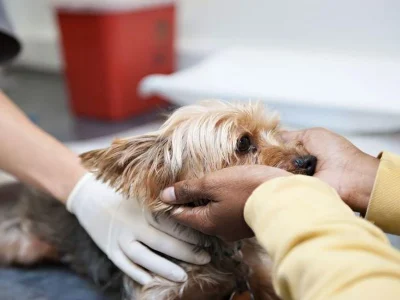
You might not think about client relationships when you bring your pet to an animal hospital in Houston Heights, TX. Most days, you are focused on the moment in front of you. Maybe your dog is limping, your cat has stopped eating, or you are trying to stay calm while waiting for test results. In those moments, you want clear answers, kind care, and the feeling that someone truly knows both you and your pet. That is where long term trust begins.
Over time, the best animal hospitals do more than treat illness. They create steady, reliable connections that make hard days easier and routine visits more meaningful. In simple terms, 5 Ways Animal Hospitals Build Long Term Client Relationships often come down to communication, consistency, education, prevention, and follow through. When those pieces are in place, you are not just visiting a clinic. You are building a partnership that supports your pet for years.
Why does trust matter so much in animal hospital care?
When trust is missing, every visit can feel harder than it needs to. You may leave unsure about what was said, worried about cost, or unclear on what to watch for at home. That stress can build fast, especially when your pet cannot tell you what hurts. Because of that tension, you might wonder what separates an ordinary visit from a lasting relationship.
One key difference is communication. Strong hospitals take time to explain what they see, what it may mean, and what comes next. They also help you read your pet more clearly. Learning the basics of pet communication and behavior cues can help you spot pain, fear, or stress sooner, which makes your conversations with the care team more useful and more honest.
Another piece is emotional safety. If you feel judged for asking questions or worried about cost, you may delay care. That delay can turn a small issue into a bigger one. A trusted animal hospital understands this and makes room for real life. It explains options, respects your budget, and helps you make informed choices without pressure.
What are the 5 ways animal hospitals build long term client relationships?
First, they listen before they advise. That sounds simple, but it changes everything. A team that asks about appetite, sleep, behavior, and routine is more likely to catch subtle problems and tailor care to your pet’s life.
Second, they stay consistent. Seeing familiar faces matters. When the staff remembers your pet’s history, fears, and habits, you spend less time repeating yourself and more time getting focused care. This is one of the strongest ways veterinary clinics build loyalty over time.
Third, they teach you what to watch for at home. For example, understanding your dog’s body language can help you notice early signs of pain, anxiety, or discomfort. That kind of guidance turns you into an active partner, not just a visitor.
Fourth, they focus on prevention, not only treatment. Preventive care protects your pet’s health and often reduces larger costs later. Heartworm prevention is a good example. The FDA explains why year round heartworm protection matters, since treatment can be harder on pets and more expensive than prevention.
Fifth, they follow up after the visit. A quick check in after surgery, a medication change, or a new diagnosis shows that care did not end when you walked out the door. That follow through builds confidence and helps catch problems early.
How do short term visits compare to a long term veterinary relationship?
So, where does that leave you? It helps to see the difference side by side. A single visit can solve an immediate problem, but a lasting relationship with an animal hospital often leads to better continuity, earlier detection, and less stress for everyone involved.
| Approach | What It Looks Like | Likely Result |
|---|---|---|
| One off urgent care only | Visits happen only when something is wrong | Less history, more guesswork, higher chance of delayed prevention |
| Long term animal hospital relationship | Routine exams, shared records, preventive planning, follow up | Earlier problem detection, clearer guidance, stronger trust |
| Limited home observation | Owners notice only obvious symptoms | Subtle pain or behavior changes may be missed |
| Guided client education | Owners learn behavior cues, prevention schedules, and warning signs | Faster response to changes and better day to day care |
This is why building client trust in animal hospitals is not just a business idea. It affects medical outcomes, decision making, and your peace of mind. A good relationship can help you act sooner, ask better questions, and feel less alone when things get hard.
What can you do right now to strengthen your relationship with your animal hospital?
1. Track patterns, not just problems.
Write down changes in appetite, water intake, energy, bathroom habits, and behavior. A short note on your phone is enough. These details help your veterinary team spot trends that may not be obvious during an exam.
2. Ask for a prevention plan.
Do not wait for the next emergency to talk about wellness care. Ask about vaccines, parasite prevention, dental care, weight management, and age related screening. A clear plan supports long term veterinary client relationships because it gives you and the hospital a shared path forward.
3. Speak up when something feels unclear.
If you do not understand a diagnosis, medication, or estimate, say so. You are not being difficult. You are protecting your pet. The best animal hospital teams welcome questions because clarity leads to better follow through at home.
What does a strong animal hospital partnership really give you?
It gives you steadiness. It gives your pet a care team that knows their baseline and notices when something shifts. It gives you a place where routine visits feel purposeful and hard visits feel a little less heavy. And when life gets busy, or scary, or expensive, that kind of relationship can make the next step clearer.
Good care is not only about medicine. It is also about trust, communication, and the small moments of follow through that show you your pet matters. That is the heart of a lasting relationship with an animal hospital, and it is often what helps pets stay healthier over time.





Comments