
 By
By 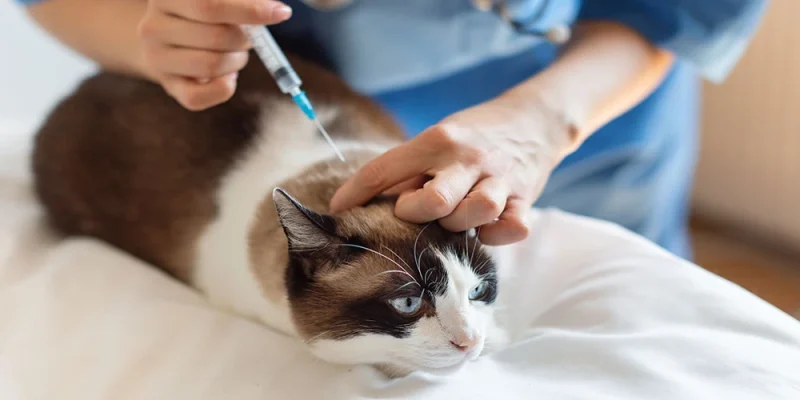
You might be doing everything you can to keep your small pet safe, from choosing the right food to setting up a calm, clean space, and still feel unsure when vaccines come up. That hesitation makes sense. Rabbits, ferrets, and other small companions often seem more fragile than dogs or cats, so any medical choice can feel bigger, heavier, and harder to sort through, especially when guidance comes from a trusted animal clinic serving Silver Spring pets. Before vaccines are on the schedule, life may feel simple. After the topic comes up, you may find yourself weighing cost, risk, and the fear of making the wrong call.
The short answer is this. Vaccination can protect some small pets from serious illness, but the right plan depends on the species, your pet’s age, lifestyle, and local disease risk. That is why a conversation with a small animal veterinarian matters. When you understand what a vaccine does, what it does not do, and which pets benefit most, the decision becomes less overwhelming and much more grounded.
Why does preventive care for small pets feel so confusing?
Part of the confusion comes from the fact that “small pets” is a broad group. A ferret does not have the same vaccine needs as a rabbit, and a rabbit does not have the same risk profile as a guinea pig. Because of that, people often hear mixed advice online and assume there must be one simple rule. There usually is not.
For ferrets, vaccines are often part of routine preventive care because they can be at risk for diseases such as rabies and canine distemper. The Centers for Disease Control and Prevention offers helpful guidance on ferret health and safety, including points owners should know before bringing a ferret into close contact with people and other animals. The USDA also provides background on approved products and animal species information for ferrets, which can help you understand how ferret vaccines fit into broader animal health standards.
Rabbits are different. In the United States, routine vaccination is not as common for pet rabbits as it is for ferrets, but that does not mean preventive care is less important. Housing, nutrition, dental care, parasite control, and stress reduction all matter. If you want a strong starting point for daily wellness, the University of Florida shares practical advice on how to care for your pet rabbit. So, where does that leave you if you want to do the right thing?
It leaves you with a need for species-specific guidance, not guesswork. That is where small pet vaccinations and broader wellness planning come together. The goal is not to give every pet every shot. The goal is to match prevention to real risk.
What can happen if you wait too long to ask about pet vaccinations?
Sometimes the hardest part of prevention is that it asks you to act before there is a visible problem. If your pet seems bright, playful, and healthy, it is easy to put off the vet visit. Yet infectious disease rarely gives much warning. A ferret exposed to a dangerous virus may go from normal to very sick in a short time, and treatment can be stressful, expensive, and not always successful.
There is also a financial side that many owners quietly worry about. A vaccine visit usually costs far less than emergency care, isolation, testing, and supportive treatment for a preventable illness. When people delay because they want to save money, they can end up facing much larger bills later, along with the pain of seeing a small pet suffer.
This is why vaccines for small pets are best viewed as one piece of a larger prevention plan. You are not just paying for an injection. You are paying for risk reduction, for early medical guidance, and for a chance to catch other concerns during the exam, from weight loss to dental changes to signs of poor housing conditions.
How do the risks and benefits of small animal veterinarian vaccine visits compare?
It helps to see the decision clearly. No medical step is completely free of risk, but the comparison often becomes easier when you place short-term concerns next to long-term protection.
| Consideration | Choosing Recommended Vaccination | Skipping or Delaying Vaccination |
|---|---|---|
| Disease protection | Can reduce the chance of serious illness in species where vaccines are advised, such as ferrets | Leaves the pet more exposed if a preventable disease is encountered |
| Cost over time | Usually predictable routine expense | May lead to high emergency and treatment costs |
| Peace of mind | Gives you a clear prevention plan based on species and lifestyle | Can create ongoing doubt about whether your pet is protected |
| Possible side effects | Mild soreness or temporary lethargy may occur, with rarer reactions requiring monitoring | No vaccine reaction, but no vaccine protection either |
| Overall wellness care | Includes an exam and a chance to discuss diet, habitat, and behavior | Missed chance to spot early health concerns |
What are the next steps if you want better preventive care for small pets?
1. Know your pet’s species-specific risks.
Start with the basics. Ask whether your pet’s species has any routinely advised vaccines, what diseases those vaccines target, and how exposure happens. Indoor pets can still face risk through visitors, other animals, contaminated objects, or accidental escape.
2. Bring your pet’s daily routine to the appointment.
Write down where your pet lives, whether they interact with other animals, if children handle them, and whether they travel. These details shape vaccine advice more than many owners realize. A small animal veterinarian can use that information to build a plan that fits your real life, not a generic checklist.
3. Ask for a full wellness plan, not just a yes or no on shots.
Prevention works best when it is connected. Ask about diet, habitat cleaning, stress, nail and dental care, parasite prevention, and warning signs that should prompt a visit. That way, small animal veterinarian care becomes a steady support system, not a once-a-year scramble.
How can you feel more confident about understanding the value of vaccinations for small pets?
You do not have to figure it all out at once, and you do not have to rely on scattered advice from people who do not know your pet. When you slow the decision down and look at species, risk, and prevention together, the picture usually gets clearer. Vaccines are not about fear. They are about giving your small companion the best chance at a healthy, stable life.
If you have questions about the right vaccine and wellness plan for your pet, schedule a visit with a qualified veterinary professional and talk through the options with care and clarity.






Comments