
 By
By 
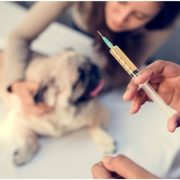
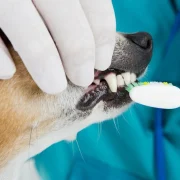
You might be feeling that tight mix of worry and guilt that shows up when your pet needs a procedure, and talking with a Northbridge veterinarian can help ease some of that fear. Maybe it is a dental cleaning, a spay or neuter, or surgery you did not see coming. Before the appointment, your mind can go straight to the hardest question. Will my pet be safe under anesthesia? After all, your pet cannot tell you how they feel, and that lack of control can make even a routine visit feel heavy.
That concern is understandable, and it helps to know that safe anesthesia is never just one drug given and then hoped for the best. In a good veterinary hospital, it is a careful process that starts before the procedure, continues every minute during it, and carries on through recovery. When people ask about How Veterinary Hospitals Ensure Safe Anesthesia For Pets, the short answer is this: planning, monitoring, trained staff, and recovery support all work together to lower risk and protect your pet.
Why does pet anesthesia feel so stressful in the first place?
Anesthesia can sound frightening because it involves sedation, pain control, and loss of awareness, even for a short time. Because of this tension, you might wonder whether every pet faces the same risk. They do not. Age, breed, weight, heart health, airway shape, and even anxiety level can affect the plan. A healthy young dog coming in for a routine procedure may need a different approach than an older cat with kidney disease.
That is why veterinary teams do not treat anesthesia like a one size fits all service. They start with an exam, health history, and often bloodwork to look for hidden concerns. Texas A&M explains in its guide to understanding pet sedation and anesthesia that sedation and anesthesia are different, and the choice depends on the procedure and the pet’s condition. That distinction matters, because the safest plan is the one that matches what your pet actually needs, no more and no less.
So, where does that leave you as an owner? Usually with better questions. Has my pet had pre anesthetic testing? Who will monitor them? What pain control is planned? Those questions are not overreacting. They are part of good preparation.
What happens before anesthesia at a veterinary hospital?
The safest outcomes often begin long before your pet is taken to the treatment area. A veterinary hospital will usually review fasting instructions, current medications, allergies, past reactions, and any signs of cough, vomiting, or weakness. If something seems off that morning, the team may delay the procedure rather than push ahead. That can feel frustrating, but it is often a sign that safety comes first.
For cats, careful planning is especially important because stress, hydration, and underlying illness can affect how they respond. Cornell’s feline health center outlines key points about anesthesia in cats, including the need for an individualized plan and attentive monitoring. In other words, safe anesthesia for pets is built on details that may seem small to you, but are not small to the care team.
There is also the emotional side. Cost can be part of the stress, and it is tempting to compare estimates without looking closely at what is included. But a lower price may leave out bloodwork, IV fluids, advanced monitoring, or dedicated recovery support. Those items are not extras for many patients. They are part of what helps a veterinary hospital reduce preventable risk.
How do veterinary teams protect pets during anesthesia?
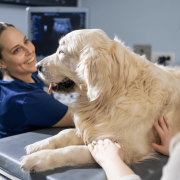
Once anesthesia begins, the focus shifts from planning to constant observation. This is where trained staff and equipment matter most. In many hospitals, a technician or nurse is assigned to monitor heart rate, breathing, oxygen levels, blood pressure, temperature, and anesthetic depth throughout the procedure. If a number changes, the team can respond quickly by adjusting medications, fluids, oxygen, or warming support.
The University of Illinois describes veterinary anesthesiology as a specialty centered on pain management, patient monitoring, and tailored anesthetic care, which you can read about here: veterinary anesthesiology services. That should tell you something important. Pet anesthesia safety is not passive. It is active, minute by minute care.
Recovery is part of that same safety chain. Many complications happen not during the procedure itself, but while a pet is waking up. A good veterinary hospital keeps watching temperature, breathing, pain level, and alertness until your pet is stable. For short nosed breeds, senior pets, and animals with other health issues, that recovery period can be especially important.
Which safety steps matter most when you compare veterinary hospitals?
If you are trying to judge the quality of a veterinary hospital, it helps to look beyond the procedure name and ask what support surrounds it. The table below gives you a simple way to compare.
| Safety Factor | Why It Matters | What to Ask |
|---|---|---|
| Pre anesthetic exam and bloodwork | Can uncover hidden organ issues, infection, or dehydration before drugs are given | Will my pet have an exam and lab work before anesthesia? |
| Individual anesthetic plan | Matches drugs and doses to age, breed, and health status | Is the anesthetic protocol tailored to my pet? |
| IV catheter and fluids | Allow quick access for medications and help support blood pressure and hydration | Will my pet have an IV catheter and fluids during the procedure? |
| Continuous monitoring | Helps the team catch changes in oxygen, blood pressure, or breathing right away | Who monitors my pet during anesthesia, and what equipment is used? |
| Pain management and recovery care | Supports comfort, smoother waking, and fewer setbacks after the procedure | What pain control and recovery monitoring are included? |
What can you do right now to help keep your pet safer?
1. Share a full medical history. Tell the veterinary hospital about every medication, supplement, past reaction, cough, appetite change, or recent illness. Even details that seem minor can affect an anesthesia plan.
2. Follow fasting and drop off instructions exactly. If your pet eats when they were supposed to fast, say so. It may feel awkward, but hiding it can raise the risk of vomiting or aspiration during anesthesia.
3. Ask direct questions about monitoring and recovery. Ask who stays with your pet, what monitoring tools are used, and how pain is managed after the procedure. This is one of the clearest ways to understand the standard of care in a veterinary hospital.
What should you remember when your pet’s procedure day arrives?
You do not need to pretend this is easy. Handing your pet over for anesthesia can feel deeply personal, even when the procedure is routine. Still, fear tends to fill in gaps with worst case thoughts, and facts can steady that fear. Safe anesthesia for pets depends on preparation, trained monitoring, tailored drugs, and careful recovery, not luck.
If your pet has an upcoming procedure, take a breath and ask the questions you need to ask. Clear answers can bring real peace of mind, and the right veterinary hospital will welcome that conversation.



Comments