
Woodlice tend to appear when no one is really looking for them. You lift a brick. You move a plant pot. There they are, slowly making their way back into the dark. That moment often triggers a simple thought. How many legs do woodlice have sounds like a small detail, but the answer tells you a lot about how these creatures are built and why they move the way they do.
They do not move like insects
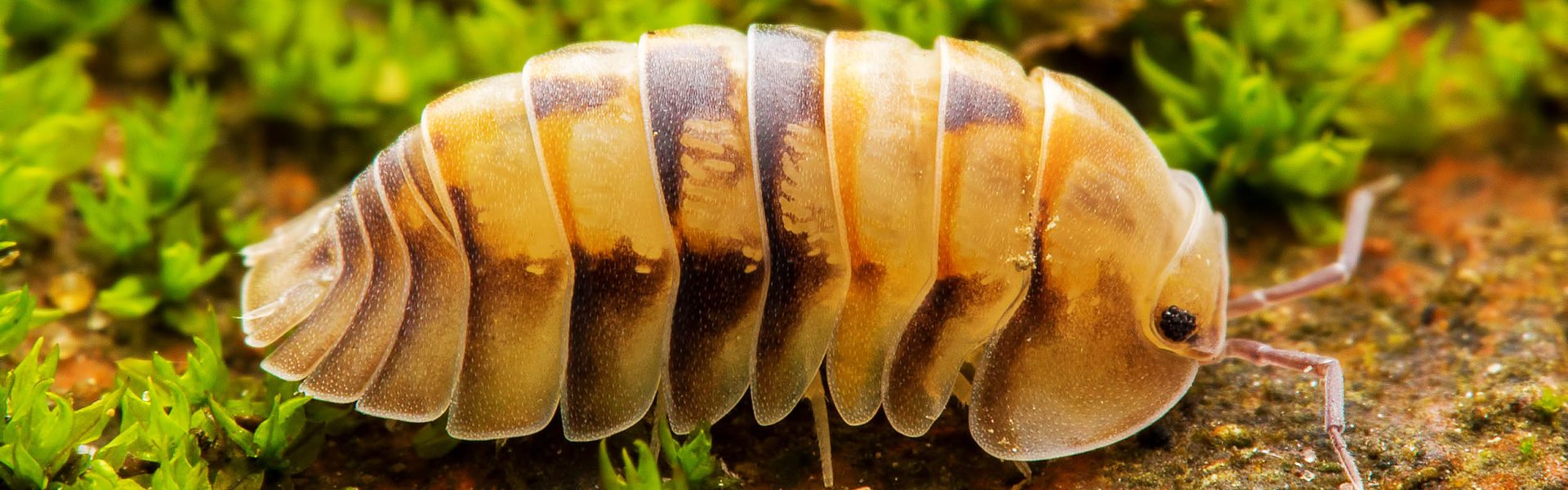
If you watch a woodlouse closely, something feels different. Ants dart. Beetles scurry. Woodlice glide. Their movement is low and controlled, almost cautious. That alone hints that their bodies work differently. The legs are not swinging out to the sides. They stay tucked under the body, moving in a soft sequence. Because of this, many people never notice how many legs are actually involved.
Why fourteen legs suit their environment
Woodlice live where conditions are not perfect. Soil shifts. Leaves collapse. Wood crumbles. Fourteen legs give them constant contact with the ground. If one leg slips, the others adjust. This helps them avoid rolling or flipping over, which could leave them exposed. Their legs are about stability, not speed. That choice works well for their lifestyle.
Leg development happens gradually
Young woodlice do not appear fully formed. As they grow, they shed their outer layer and develop more defined segments and limbs. With each stage, coordination improves. Movement becomes smoother. This slow growth process mirrors their quiet lives. They do not need fast reactions. They need reliability.
Why the number surprises people
The legs are small and hidden most of the time. When a woodlouse curls slightly or stops moving, the legs are almost invisible. From above, you mainly see the segmented shell. Only when the animal is walking slowly on a flat surface does the full pattern become clear. That is usually when people realize their original guess was wrong.
Their legs support a quiet role in nature
Woodlice help break down organic material. This process feeds the soil and supports plant life. Their legs allow them to reach into narrow gaps where decay begins. They move carefully through these spaces, doing work that often goes unnoticed. Their body design supports this role perfectly.
Understanding postpods changes how people see them, not as odd bugs, but as carefully adapted creatures doing a quiet job beneath our feet.