
 By
By 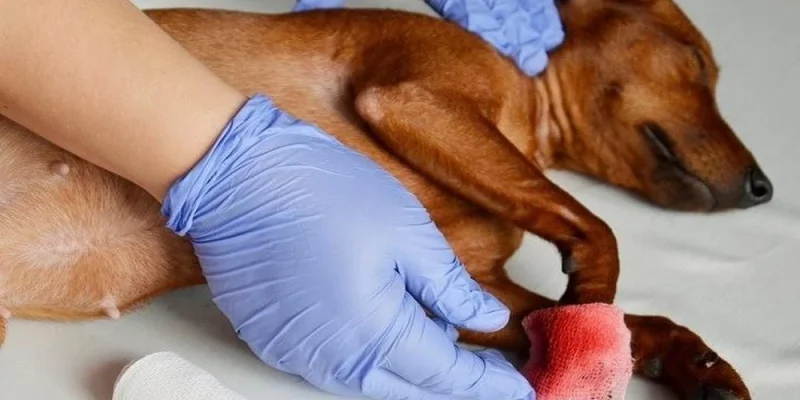
You know your dog’s normal look, normal pace, and normal habits, which is why even a small change can stop you cold. One minute they seem fine, and the next they are pacing, struggling, hiding, or looking at you in a way that says something is wrong. In that moment, it is hard to tell whether you should watch and wait or get in the car right now to visit an animal hospital in Lake Charles. That uncertainty can feel heavy, especially when you are trying to stay calm for your pet.
If you are wondering whether this is serious, the short answer is simple. Some symptoms mean you should seek care right away. Knowing a few clear warning signs can help you move faster and with more confidence. When it comes to emergency care for dogs, the goal is not to guess perfectly. It is to recognize danger early and get help before a problem gets worse.
When Is a Dog Emergency More Than “Maybe They’ll Feel Better Soon?”
Many health issues in dogs start quietly. A little vomiting, a limp, skipped food, extra sleeping. On their own, those things do not always mean an emergency. Because of that, it is easy to second guess yourself. You may worry about overreacting, the cost of urgent treatment, or putting your dog through stress if it turns out to be minor. But some symptoms should move you out of wait and see mode.
The first sign is trouble breathing. If your dog is breathing hard at rest, using their belly to breathe, stretching their neck out, making harsh sounds, or showing pale or blue gums, this needs immediate attention. Cornell’s guide on recognizing canine respiratory distress explains how quickly breathing problems can become dangerous. Dogs cannot tell you they feel like they cannot get enough air, so you have to read the signs for them.
The second sign is collapse, fainting, or sudden weakness. Maybe your dog tries to stand and cannot. Maybe they wobble, seem disoriented, or fall over without warning. This can point to poisoning, heart trouble, internal bleeding, heatstroke, neurological issues, or other urgent conditions. Even if your dog seems to recover after a minute, collapse is not something to brush off.
The third sign is repeated vomiting, severe diarrhea, or a swollen belly, especially if your dog also seems restless, painful, or unable to get comfortable. This is one of those situations where timing matters. A bloated abdomen can be linked to gastric dilatation and volvulus, often called bloat, which can become life threatening in a short window. Ongoing vomiting and diarrhea can also lead to dehydration and signal obstruction, toxin exposure, or serious infection.
The fourth sign is major trauma or uncontrolled bleeding. If your dog was hit by a car, attacked by another animal, suffered a bad fall, or has a wound that will not stop bleeding, they need urgent veterinary care. Sometimes the most serious damage is internal, which means your dog may not look as injured as they really are. According to Ohio State’s overview of what counts as a pet emergency, severe injury, breathing issues, seizures, and toxin concerns all deserve prompt evaluation.
Why Do These Signs Get Dangerous So Fast?
So, where does that leave you when your dog is acting strangely and you are trying to make a quick call? It helps to remember that dogs often hide pain until they cannot anymore. By the time you see obvious distress, the body may already be under strain. That is why symptoms like labored breathing, collapse, severe stomach upset, and trauma deserve fast action.
Think about a real world example. A dog vomits twice after dinner and then starts pacing, trying to lie down but getting back up, with a belly that looks tight. It might be tempting to assume it is a stomach bug. But if that dog is actually bloating, every minute matters. Or picture a dog who seems tired after a hot walk, then begins to pant hard, drool, and stumble. Waiting for them to “cool off on their own” could cost precious time.
There is also the emotional side of this. You may be balancing fear with practical worries. Will the visit be expensive? What if it turns out to be nothing? Those concerns are real. But when the signs point to an urgent problem, a prompt visit to an animal hospital can prevent a much bigger medical and financial crisis later.
What Symptoms Mean Watch Closely, and What Symptoms Mean Go Now?
When stress is high, a simple comparison can help you think clearly. No table can replace veterinary judgment, but this one can help you sort common situations faster.
| Sign | Watch Closely | Seek Immediate Animal Hospital Care |
|---|---|---|
| Breathing | Mild panting after play that settles with rest | Labored breathing at rest, blue or pale gums, gasping, noisy breathing |
| Energy | Sleeping more than usual but still responsive | Collapse, fainting, sudden weakness, confusion, cannot stand |
| Stomach issues | One mild episode of vomiting, normal behavior after | Repeated vomiting, severe diarrhea, swollen belly, signs of pain, dry heaving |
| Injury | Small scrape, normal walking, bleeding stops quickly | Hit by car, deep wound, uncontrolled bleeding, trouble walking, severe pain |
This is where dog emergency signs matter so much. You are not looking for perfection. You are looking for patterns that suggest your dog’s body is struggling in a way that should not wait until morning.
What Can You Do Right Now If You Think Your Dog Needs Urgent Veterinary Care?
1. Stay calm and look for the clearest symptom.
Take one slow breath and focus on what you can see. Is your dog breathing normally? Can they stand? Are the gums pink or pale? Is the belly swollen? Is there active bleeding? A quick, calm check gives you useful information and helps you avoid losing time in panic.
2. Limit movement and keep your dog safe for transport.
If your dog is weak, in pain, or injured, keep activity to a minimum. Use a blanket as a sling for larger dogs if needed, and avoid offering food or water unless a veterinarian tells you to. If breathing is hard, keep the neck straight and do not put pressure on the chest.
3. Call ahead and leave now if the signs are severe.
If your dog is struggling to breathe, has collapsed, has major trauma, or shows severe stomach distress, do not spend extra time searching for home remedies online. Head to an emergency veterinary clinic or animal hospital as soon as possible. Calling ahead can help the team prepare for your arrival, but if your dog is in immediate danger, getting there quickly matters most.
How Do You Trust Yourself in the Moment?
You do not have to know the exact diagnosis to know something is wrong. If your dog shows any of these four signs, breathing trouble, collapse, severe vomiting or belly swelling, or serious injury, it is reasonable to treat the situation as urgent. Quick action can protect your dog from pain, prevent complications, and in some cases save their life.
If your gut says this is more than a minor problem, listen to it and seek care at an animal hospital right away. Acting early is not overreacting. It is part of loving your dog well.




Comments