
 By
By 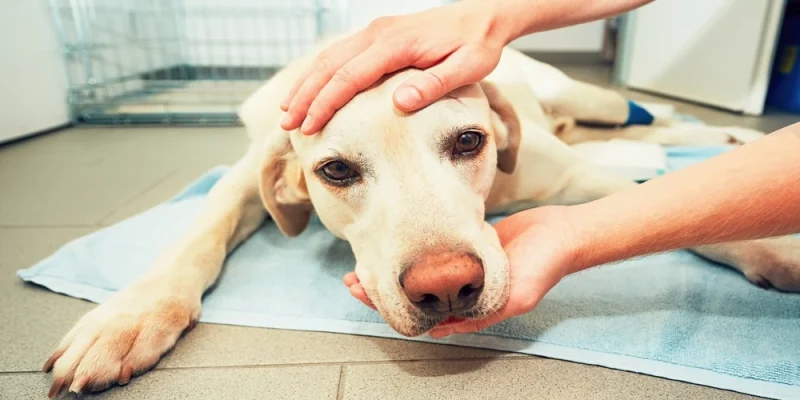
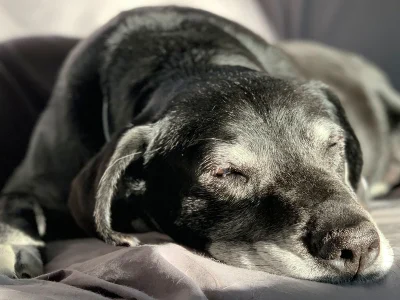
You might be feeling that quiet worry pet owners know too well. Your dog seems a little slower. Your cat is hiding more than usual. There may be a lump, a change in appetite, or just a sense that something is off, even if you cannot name it yet. In moments like these, finding pet urgent care in Charlotte, MI can bring clarity and support. That moment can split life into a before and after, because once cancer enters your mind, every small change can feel heavy.
That is exactly why the role of a general veterinarian matters so much. In many cases, a general vet is the first person to notice subtle changes, connect the dots, and start the process of finding answers early. And when cancer is caught sooner, you often have more options, more time to plan, and a clearer path forward. The role of general vets in detecting early cancer signs is not just about exams and tests. It is about having a trained, steady guide who can spot warning signs before they become harder to treat.
Why does early cancer detection in pets often begin with a general veterinarian?
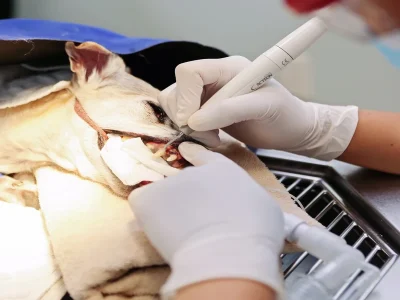
Most pets do not show clear signs of illness right away. They still eat, still greet you at the door, still curl up in their usual spot. Because of that, cancer can be easy to miss in the beginning. A general veterinarian sees the patterns that pet owners, through no fault of their own, may not catch at home. During routine visits, they check weight trends, feel for masses, assess lymph nodes, examine the mouth, skin, eyes, and abdomen, and look for changes that might otherwise seem minor.
So, where does that leave you if your pet seems mostly fine? It means regular wellness exams are more than a box to check. They are a chance to catch concerns when they are smaller and more manageable. A general veterinarian may notice a new lump, unexplained weight loss, bad breath tied to an oral tumor, or a shift in bloodwork that points to something deeper. Those early clues matter.
The stress, of course, is that many cancer signs look like ordinary aging or common illness. A limp might seem like arthritis. Reduced appetite might look like stress. A small swelling might feel harmless. Because of this tension, you might wonder whether you are overreacting. Usually, you are not. It is reasonable to ask questions early, especially when the change lingers or grows.
What warning signs of cancer should you and your vet take seriously?
Some signs are obvious, but many are subtle. A general vet helps sort out what needs watching and what needs testing now. Common warning signs can include lumps that change in size, sores that do not heal, weight loss, bleeding, trouble eating, vomiting, diarrhea, low energy, coughing, limping, or changes in bathroom habits. Cats can be especially hard to read, which is why resources on warning signs of cancer in cats can help you know what to mention during a visit.
For dogs, the path often starts the same way. You find a lump during a bath, or your dog stops finishing meals, or the energy just is not there. If that happens, your general veterinarian may recommend a needle aspirate, bloodwork, imaging, or referral to a specialist. The FDA guide for dog owners facing a cancer diagnosis can also help you understand what may come next.
Early cancer detection in pets is not about assuming the worst. It is about respecting small changes before they turn into big ones.
How does a general veterinarian compare with waiting and watching at home?
Watching your pet closely at home matters, and your instincts matter too. Still, there is a real difference between home observation and a veterinary exam. One gives you useful clues. The other gives you clinical context, diagnostics, and a plan.
| Situation | Watching at Home | General Veterinarian Visit |
|---|---|---|
| Small lump under the skin | You may notice if it grows or changes shape | Your vet can measure it, sample cells, and tell whether it needs removal or monitoring |
| Weight loss over time | You may see your pet looks thinner | Your vet can compare past weights, run bloodwork, and look for hidden causes including cancer |
| Lower energy or less appetite | It may seem like aging or stress | Your vet can check for pain, anemia, organ changes, and signs that need imaging or referral |
| Bad breath or trouble eating | You may think it is dental disease alone | Your vet can examine the mouth for infection, tooth disease, or oral masses |
This is where a general veterinarian plays such an important part. They do not just react to a crisis. They look for quiet patterns, compare today with prior visits, and decide when a symptom is likely routine and when it deserves a closer look.
What can you do right now if you are worried about possible cancer signs?
1. Track changes clearly.
Write down what you are seeing, when it started, and whether it is getting better, worse, or staying the same. Include appetite, weight, energy, bathroom habits, coughing, lumps, and any pain signs. Photos of a visible lump or swelling can help your vet compare changes over time.
2. Schedule an exam sooner rather than later.
If a new lump appears, if weight is dropping, or if your pet has a symptom that lasts more than a few days, book a visit. Waiting can feel easier in the moment, especially if your pet still has good days, but delay can shrink your options. Cancer screening for pets often starts with a basic exam and simple tests, not a dramatic process.
3. Ask direct questions.
You do not need to know the right medical terms. Ask whether the symptom could be serious, what tests make sense now, what can safely be monitored, and when a referral is needed. Good questions often lead to better timing, and better timing can make a real difference.
Why does the role of general vets in detecting early cancer signs matter so much?
Because early action creates room to think. It gives you time to understand the diagnosis, weigh treatment choices, and support your pet with less panic and more clarity. Not every lump is cancer, and not every change means something severe, but the pets who do best are often the ones whose warning signs were taken seriously early on.
If something about your pet has been tugging at your attention, trust that feeling and schedule a visit with a general vet. You do not need to have all the answers before you ask for help. You just need to start.


Comments