
 By
By When your pet is sore, weak, or recovering from surgery, daily life changes fast. Getting up from the floor takes effort. A short walk can turn into limping, hesitation, or a look that tells you something still hurts. You want to help, but you also do not want to make things worse. That tension is real, especially when your pet seems willing one minute and stiff the next. In these moments, finding trusted pet rehabilitation in Staten Island, NY can make the path forward feel clearer and more manageable.
Passive range of motion exercises can play a useful role in recovery because they help keep joints moving when your pet cannot move comfortably on their own. They are often part of a larger pet rehabilitation plan that may also include pain control, guided exercise, balance work, and hands on therapy. Done correctly, these movements can support comfort, flexibility, and function. Done at the wrong time or in the wrong way, they can irritate healing tissue. That is why the details matter.
Passive range of motion helps protect movement during recovery
Passive range of motion means you move your pet’s limb for them, without asking the muscles to do the work. The goal is controlled joint motion. This is different from active exercise, where your dog or cat bears weight, walks, or performs a task on their own. In a pet physical therapy setting, passive movement is often used after orthopedic surgery, neurologic injury, extended crate rest, or any condition that causes stiffness and reduced use.
When a pet avoids using a limb, the body adapts quickly. Joints stiffen. Soft tissues tighten. Muscles lose mass. That decline can happen even when rest is necessary. Gentle motion helps limit some of that loss. Washington State University explains that these exercises are used to move a joint through its normal arc in a slow, controlled way, which can help maintain flexibility and support circulation during healing. You can read their overview of passive range of motion exercises.
The stress for you is not just physical. It is also emotional and financial. You may be managing medications, follow up visits, slippery floors, and a pet who does not understand why they cannot do what they used to do. If progress feels slow, it is easy to wonder whether these small daily exercises really matter. They often do, because rehab is usually built from small gains repeated over time.
Pet physical therapy works best when passive motion fits the actual injury
Not every pet needs the same plan, and passive motion is not always appropriate right away. A dog after cruciate surgery may need a different timeline than a cat with a spinal injury. A pet with severe pain, swelling, fracture instability, or a fresh surgical repair may need rest before any joint movement begins. That is where professional guidance matters.
The University of Illinois outlines several rehabilitation treatment approaches, including stretching, strengthening, gait work, and manual therapies. Passive movement is one tool, not the whole plan. Used well, it helps preserve motion so the pet is better prepared for the next stage of recovery. Used in isolation, without checking pain levels or healing status, it can fall short or create setbacks.
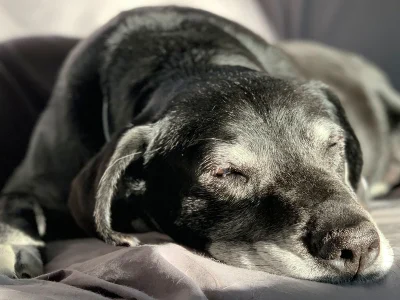
You may have already seen this in real life. A dog that tolerated exercise on Monday may pull away on Tuesday because swelling increased after too much activity. A senior pet with arthritis may relax into slow, gentle motion but resist if the joint is pushed past a comfortable point. Those responses are not bad behavior. They are feedback.
Professional rehabilitation adds safety, progression, and better timing
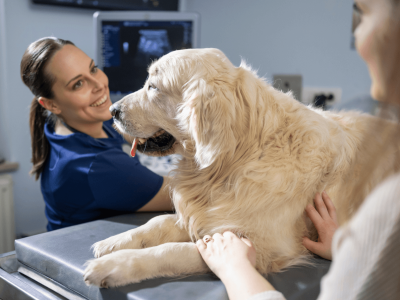
Home care matters, but technique matters too. In formal animal rehabilitation exercises, therapists watch how each joint moves, how muscles respond, and whether compensation is developing elsewhere in the body. A pet protecting one hind leg may overload the other three. That can create back pain, neck tension, or strain in the opposite hip or knee.
Ohio State’s canine sports medicine and physical rehabilitation service describes how canine physical rehabilitation supports recovery, mobility, and return to function through individualized care. That individualized part is the point. Your pet’s age, diagnosis, surgery type, weight, temperament, and pain level all affect what should happen at home.
| Approach | Benefits | Risks or Limits | Best Use |
|---|---|---|---|
| At home passive range of motion only | Low cost, easy to repeat daily, helps maintain joint mobility | Technique errors, overbending, poor timing after surgery, missed signs of pain | Pets with a clear home plan from a veterinarian or rehab therapist |
| Professional pet physical therapy sessions | Skilled assessment, safer progression, tailored plan, added therapies | Higher cost, travel, scheduling needs | Post operative care, neurologic cases, chronic mobility problems, stalled recovery |
| Combined home and professional rehab | Consistency at home plus expert oversight, better adjustment over time | Requires owner follow through and regular communication | Most pets needing structured rehabilitation support |
Small daily choices shape the outcome of pet rehabilitation services
Get clear instructions before you start.
Ask your veterinarian or rehab provider which joints to move, how far to move them, how many repetitions to do, and when to stop. If your pet had surgery, ask what is off limits right now. Specific guidance matters more than general advice.
Watch your pet, not just the clock.
Slow breathing, softer muscles, and relaxed posture usually mean the movement is being tolerated. Pulling away, lip licking, panting, muscle guarding, or increased limping later in the day can mean you did too much or moved too far. Comfort during the session and after the session both count.
Build rehab into the routine you already have.
Most owners do better when exercises are tied to something consistent, such as after a medication dose, after a short potty break, or before bedtime. Short sessions done correctly tend to help more than long sessions done inconsistently. Progress in pet rehabilitation services usually comes from repetition, patience, and adjustment.
Steady support gives your pet a better chance to move well again
Recovery rarely looks dramatic from one day to the next. It often looks like a pet rising a little easier, placing a paw more evenly, or turning without that same hesitation. Passive range of motion exercises support that process by helping protect joint movement while the rest of the body heals and relearns. If your pet is recovering from injury, surgery, or mobility loss, ask your veterinary team whether pet physical therapy and guided passive motion belong in the plan.


Comments