
 By
By 
You might be feeling a mix of worry and guilt every time you look at your pet and think, “Am I doing enough for you?” Maybe your dog is due for vaccines, your cat has been hiding more than usual, or you have a new kitten and no idea where to start. You know you should get to a general West Chester veterinary clinic, yet it all feels a bit overwhelming. What happens there. What will it cost. How often do you need to go.end
That tension is very common. You want to be a responsible pet owner, but you also do not want to be pressured into tests or treatments you do not understand. So it helps to know what a general veterinarian actually does, and which services are truly routine, so you can walk in with a clear head and a few good questions ready.
At a high level, most general vet clinics focus on four core areas. Routine wellness care, vaccines and parasite control, diagnosis and treatment of illness, and basic procedures such as spay or neuter and dental care. When you understand these, the whole experience feels less mysterious and much more manageable.
Why does a “simple” vet visit feel so stressful?
It often starts small. Your dog is due for shots, or your cat vomits twice in a week. You search online, read a dozen different opinions, and suddenly you are imagining worst case scenarios. Because of this swirl of information, even calling a clinic can feel like a big step.
The worry is not just about your pet. There is money, time, and emotion involved. Maybe you fear being judged for missing a vaccine. Maybe you had a bad experience before, where you felt rushed or talked over. So where does that leave you. Usually stuck between “I know I should go” and “I am scared of what they will say.”
A good general veterinary clinic understands this. Their job is to meet you where you are, explain what they see, and help you decide what makes sense for your pet today. To make that easier, it helps to walk through the four common services you can expect.
What routine wellness care can you expect for your pet?
Wellness visits are the backbone of regular veterinary care. These are the “checkups” that healthy pets need, even when nothing seems wrong. They are not just about getting vaccines. They are about catching small problems before they become big ones.
During a wellness exam, your veterinarian will usually:
- Ask about your pet’s behavior, appetite, water intake, and activity
- Check weight and body condition to see if your pet is under or overweight
- Listen to the heart and lungs
- Examine eyes, ears, mouth, teeth, skin, and coat
- Feel the abdomen and joints for pain or abnormalities
Primary care teams, such as those at university hospitals like the Michigan State University primary care service, often build long term relationships with families through these visits. They track changes over time, which can be incredibly helpful if something goes wrong later.
So you might wonder. If my pet seems fine, do I really need this. For many conditions, such as dental disease, weight issues, and early kidney problems, the answer is yes. These often develop quietly. A yearly exam, or even twice yearly for seniors, can add comfort and quality to your pet’s life.
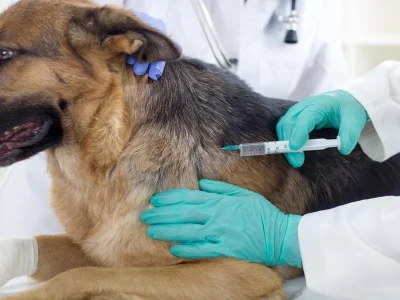
How do vaccines and parasite prevention protect your pet and family?
Vaccines and parasite control can feel confusing. There are core vaccines, optional ones, monthly preventives, and local risks to consider. You may worry about over vaccinating on one hand, or serious disease on the other.
Most general clinics will recommend:
- Core vaccines for dogs, such as rabies and distemper combination
- Core vaccines for cats, such as rabies and FVRCP
- Optional vaccines based on lifestyle, such as Lyme or kennel cough for dogs, or feline leukemia for certain cats
- Year round parasite prevention for fleas, ticks, and often heartworms in dogs
These recommendations are not random. They are based on your region, your pet’s age, and how your pet lives. For example, a dog that hikes and visits boarding facilities will have different needs than an indoor senior cat. Clinics like the primary care service for dogs and cats at the University of Illinois tailor these plans to each household.
The emotional challenge here is balancing risk. Skipping vaccines and preventives might feel easier in the short term, but the cost and suffering from preventable illness can be much higher later. Talking through your concerns openly with your veterinarian can help you find a plan that feels both safe and reasonable.
What happens when your pet is sick or injured?
This is usually when worry peaks. Your cat stops eating. Your dog suddenly limps. There is vomiting, diarrhea, or strange breathing. You may feel a rush of panic, and you might also feel a sting of fear about the bill.
General veterinary services for illness visits usually include:
- A focused physical exam that targets the problem area
- Discussion of recent changes, such as food, environment, or stress
- Basic diagnostic tests, such as blood work, urinalysis, or X rays when needed
- Treatment plans that might include medication, special diets, or short stays in the clinic
The hard part is that every test and treatment has a cost, both financial and emotional. You might feel torn between wanting every possible answer and needing to stay within a budget. A seasoned general vet clinic will usually offer options, explain what is urgent and what is optional, and help you prioritize.
One helpful mindset is to think in stages. Start with the most informative, affordable steps, then decide on the next move when you have more information. You do not have to say yes to everything at once.
How do surgeries, dental care, and “routine” procedures fit in?
Spay and neuter surgeries, dental cleanings, and small lump removals are also common services in general practice. These procedures often prevent larger problems later, yet the idea of anesthesia can be scary.
For most healthy pets, your veterinarian will recommend:
- Spay or neuter at an age that fits your pet’s breed and lifestyle
- Regular dental cleanings, especially for small breed dogs and older cats prone to dental disease
- Biopsy or removal of lumps that change size or appearance
Before any procedure, the clinic usually performs a physical exam and may recommend blood work to check organ function. This is about safety, not upselling. It helps the team adjust anesthesia plans and reduce risk as much as possible.
So where does that leave you. You can think of these procedures as investments in your pet’s comfort. A clean mouth, for example, does more than improve breath. It can reduce chronic pain and infection that quietly wear your pet down.
What are the tradeoffs of skipping or delaying general veterinary care?
Sometimes it helps to see the choices laid out clearly. You always have options, even when money or time is tight. The question is what you are trading today for tomorrow.
| Choice | Short term benefits | Short term risks | Possible long term impact |
|---|---|---|---|
| Regular wellness exams and vaccines | Peace of mind. Early problem detection. Clear plan for the year. | Visit costs. Time off work. Mild stress for some pets. | Lower risk of serious disease. Often lower lifetime medical costs. |
| Skipping or delaying routine care | No immediate expense. No trip to the clinic right now. | Hidden issues go unnoticed. Growing anxiety about “what if.” | Higher chance of emergencies. Potential for more complex, expensive treatment later. |
| Doing only “bare minimum” when sick | Lower upfront bill. Some relief from basic treatment. | Less information. Risk of missing serious conditions. | Condition may worsen quietly. May need urgent or specialty care later. |
| Following full diagnostic and treatment plan | Clear diagnosis when possible. Stronger treatment plan. | Higher initial cost. Emotional weight of more information. | Better chance at control or cure. More predictable long term care. |
Seeing this laid out can help you decide what feels right for you and your pet today, knowing you can adjust those choices as life changes.
What can you do right now to feel more confident about your pet’s care?
1. Make a simple “snapshot” of your pet’s health
Before you schedule any visit, write down a few basics. Age, breed, current food, any medications or supplements, recent changes in behavior, and your top three concerns. Bring this with you. It keeps the appointment focused and makes it easier to remember what you wanted to ask.
2. Decide on your comfort zone for testing and cost
You do not have to walk in with a blank check. Think about a realistic budget for non emergency care and share that upfront. Ask your veterinarian, “If we had to keep things simple today, what would you start with, and what could wait.” This invites a respectful, practical conversation instead of pressure.
3. Build a long term relationship with one primary clinic
Try to choose one general vet clinic and stay with them when you can. Over time, they learn your pet’s normal patterns and your personal boundaries. That history makes care smoother, especially when something urgent happens. You are not just a new file. You are a known team.
Moving forward with more clarity and less fear
You care deeply about your pet. That is clear from the fact that you are reading and planning instead of ignoring the worry. General veterinary services exist to support that bond, not to make you feel small or unprepared. When you understand the four common services at a general veterinary clinic, the entire process becomes less frightening and more like a partnership.
You do not need to fix everything at once. Start with one choice. Schedule a wellness exam if it has been a while. Ask about vaccines and parasite prevention that truly fit your pet’s life. If your pet is sick, focus on the first step toward relief and clarity. Each visit, each question, and each small decision adds up to a longer, more comfortable life for your animal companion.






Comments