
 By
By 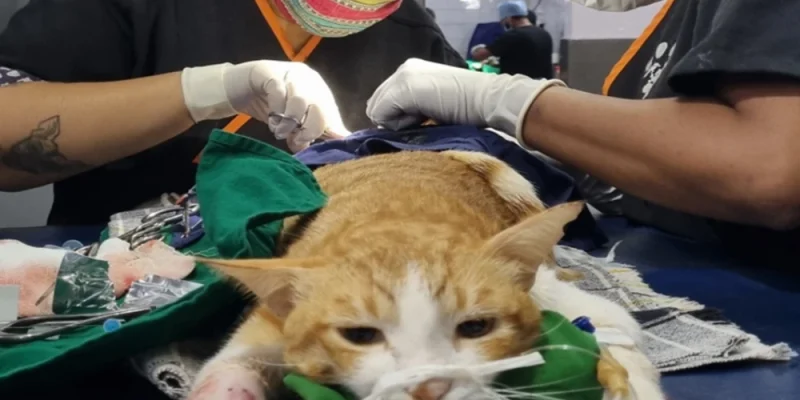
You might not think about an animal hospital until the moment you truly need one. One minute, your pet is following you from room to room, asking for dinner or a walk, and the next, something feels wrong. They stop eating. They struggle to stand. They look at you in a way that says they need help, even if they cannot explain it. In those moments, having access to a full-service veterinary hospital in Encinitas can make all the difference. That shift from normal to urgent can leave you scared, guilty, and unsure of what to do first.
Because of that stress, it helps to know what an animal hospital really does when every minute matters. At its core, 3 Ways Animal Hospitals Contribute To Lifesaving Care comes down to fast emergency response, skilled diagnosis and treatment, and ongoing support that protects animals before, during, and after a crisis. Whether you are facing an accident, a sudden illness, or a public animal health concern, the right care can change the outcome in ways that are hard to overstate.
When Every Second Counts, How Does an Animal Hospital Respond So Fast?
In an emergency, speed matters, but speed without training can still miss the mark. That is one of the clearest ways an animal hospital supports lifesaving care. When a pet comes in with breathing trouble, poisoning, heat stress, severe bleeding, or seizures, the team does not start from scratch. They follow tested steps, assess the most urgent risks first, and work to stabilize the animal before the situation gets worse.
This matters because panic can blur judgment at home. You may wonder if your pet can wait until morning, or if you are overreacting. But what if your dog swallowed medication meant for people, or your cat stopped using the litter box and now cries in pain? Delays in those moments can raise the risk of serious harm.
Animal hospitals are also part of a wider safety network during larger emergencies. If a natural disaster, disease outbreak, or evacuation affects animals in your area, trusted guidance from public agencies can help you act quickly. The USDA offers practical information for animal emergencies, including planning steps that can save time when pressure is high.
This is one reason many families see a veterinary hospital as more than a place for appointments. It becomes the place where trained people know how to triage, stabilize, and decide what has to happen next.
What Makes Diagnosis and Treatment So Important in Lifesaving Care?
Sometimes the danger is obvious. A broken limb, a deep wound, or collapse is hard to miss. But many life threatening problems do not look dramatic at first. A pet may seem tired, hide more than usual, vomit once, or breathe a little faster. Those small changes can point to a blocked bladder, internal bleeding, infection, heart trouble, or organ failure.
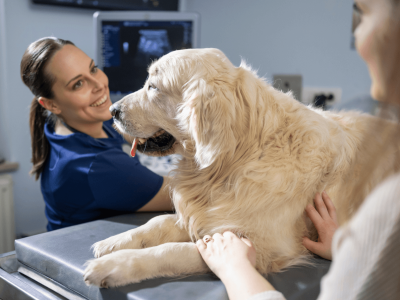
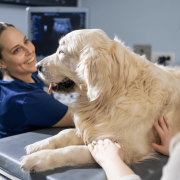
So, where does that leave you? It means observation at home is important, but it has limits. An animal hospital contributes to lifesaving care by pairing hands on exams with tools that uncover what the eye cannot see. Blood work, imaging, oxygen support, fluid therapy, surgery, and close monitoring all help turn vague symptoms into a clear plan.
Think about a simple example. A dog who seems weak after being outside on a hot day might just look tired. But if that weakness is actually heatstroke, treatment cannot wait. Or a cat who has not eaten for a day may seem picky, when the real issue is pain, infection, or a digestive blockage. In both cases, getting answers fast can protect organs, reduce suffering, and improve the odds of recovery.
This is where emergency animal care and routine medical skill meet. A strong animal hospital does not only react. It identifies root causes, explains options clearly, and helps you weigh treatment decisions when emotions are running high.
Why Does Ongoing Veterinary Support Matter Before and After a Crisis?
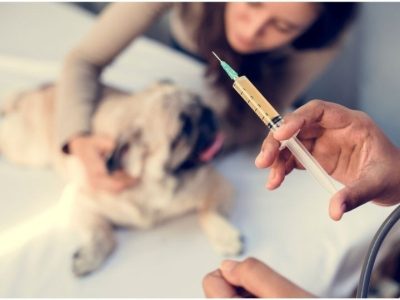
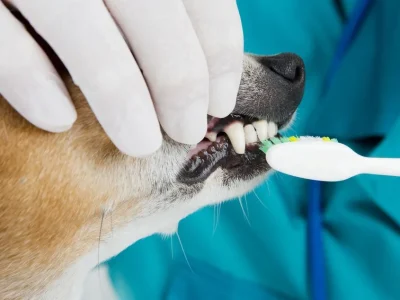
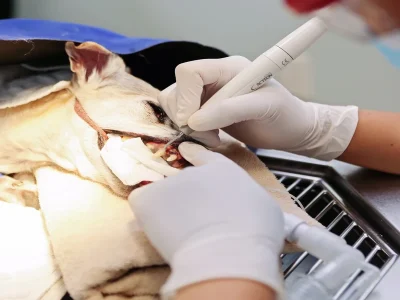
Lifesaving care is not only about the dramatic moment in the exam room. It also includes prevention, follow up, and public health support. Many emergencies become less severe, or are avoided altogether, when animals receive vaccines, wellness checks, parasite prevention, dental care, and early screening.
After a crisis, the work continues. A pet recovering from surgery may need pain control, wound checks, diet changes, and activity limits. A senior dog with heart disease may need long term monitoring. A diabetic cat may need regular testing and careful medication support. Without that continued care, a pet can slide back into danger even after a successful first visit.
There is also a broader layer that many pet owners do not see. Veterinary systems help track disease risks, support animal movement and health oversight, and connect local care with larger public safeguards. The USDA shares more about these veterinary services, which play a quiet but meaningful role in protecting animals and the people who care for them.
How Does Home Monitoring Compare With an Animal Hospital Visit?
It is normal to watch and wait when symptoms seem mild. No one wants to rush into an unnecessary visit. Still, there are moments when home care is useful, and moments when it creates risk. A quick comparison can make that easier to sort out.
| Situation | Home Monitoring May Help | Animal Hospital Care Is Safer |
|---|---|---|
| Single mild upset stomach | If your pet is alert, drinking water, and symptoms stop quickly | If vomiting repeats, blood appears, or your pet seems weak |
| Limping | If it is minor and improves with rest within hours | If your pet cannot bear weight, cries out, or swelling appears |
| Breathing changes | Rarely a wait and see issue | If breathing is fast, labored, noisy, or gums look pale or blue |
| Possible toxin exposure | Do not induce vomiting unless a professional tells you to | Immediate care is often needed, even before symptoms show |
| Not eating | Brief monitoring may be reasonable for some dogs | If a cat skips meals, or any pet also vomits, hides, or seems painful |
What Can You Do Right Now If You Want to Be Ready?
1. Learn your pet’s normal. You cannot spot a change if you do not know the baseline. Pay attention to appetite, energy, bathroom habits, breathing, and behavior. Small shifts are often the first clue that something is wrong.
2. Build an emergency plan before you need one. Keep your pet’s records in one place, know the nearest animal hospital, and save transport supplies like a carrier, leash, and towel. If disaster affects your area, having a plan can save precious time.
3. Do not minimize urgent symptoms. Trouble breathing, collapse, seizures, toxin exposure, severe bleeding, and inability to urinate all need prompt attention. If your instincts tell you something is off, trust that feeling and seek help.
Your pet depends on you, and that can feel like a heavy responsibility when something goes wrong. Still, you do not have to manage a crisis alone. Animal hospitals contribute to lifesaving care by acting fast, finding the real problem, and supporting recovery long after the first emergency has passed. If your pet shows signs of distress, reach out to a trusted animal hospital as soon as you can.



Comments