
 By
By 
You might be feeling that sharp shift from an ordinary day to a frightening one, where your pet seems suddenly unwell, time feels strange, and every choice carries weight. One moment you are going through your routine, and the next you are searching for answers, trying to stay calm while your mind races through worst-case scenarios. In that kind of moment, reaching out to a Pembroke Pines animal hospital can help you find answers and support. That kind of moment can leave any pet owner shaken.
In times like these, an animal hospital does more than treat a medical problem. It helps steady the situation, gives you clear next steps, and supports both you and your pet through the crisis. If you have ever wondered how emergency pet care support really works, the answer is often a mix of fast medical attention, careful communication, treatment planning, guidance at home, and help preparing for whatever comes next.
When Everything Changes Fast, How Does an Animal Hospital Help First?
During an emergency, the first kind of support is speed paired with judgment. Not every urgent problem looks dramatic at first. A pet may be breathing a little harder, acting weak, refusing food, or hiding in a way that feels unusual. Because of this tension, you might wonder whether you should wait, monitor, or leave right away.
An animal hospital helps by triaging the situation quickly. That means the team assesses how serious the problem is and decides what needs attention first. Pets with trouble breathing, seizures, heavy bleeding, collapse, or possible poisoning are often seen right away. This process matters because it protects the pets in greatest danger while giving every owner a clearer sense of what is happening.
That first layer of support also includes helping you avoid costly delays. If a pet has heatstroke, bloat, a blocked urinary tract, or severe trauma, waiting can change the outcome. Hospitals trained in urgent and critical care know how to move from concern to action without losing precious time.
Why Does Clear Communication Matter So Much in a Pet Emergency?
When you are scared, information can feel hard to hold onto. You may hear medical words you do not know, or struggle to decide under pressure. One of the most important ways animal hospitals support pet owners during emergencies is by turning confusion into something manageable.
Good teams explain what they are seeing, what tests may be needed, what the possible risks are, and what treatment options make sense right now. They also tell you what is uncertain, which can be just as important. If your dog ate something toxic, for example, the staff may ask when it happened, how much was eaten, and whether symptoms have started. Those details shape the next step.
This kind of communication lowers panic because it gives you a path. You are not left guessing what comes next. For pet owners facing a late-night crisis, that calm guidance is a form of care in itself. It is one reason many people seek urgent veterinary care instead of trying to sort out a serious issue alone.
What Kinds of Treatment Support Can Pet Owners Expect During a Crisis?
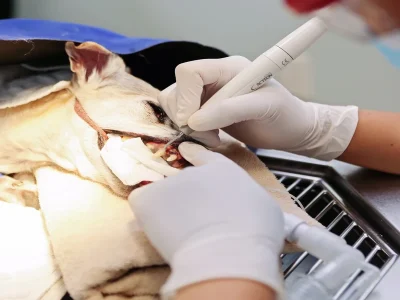
Medical treatment is, of course, central, but support during emergencies goes beyond a single procedure or exam. An animal hospital may offer pain control, oxygen therapy, wound care, imaging, bloodwork, IV fluids, surgery, or close monitoring, depending on the situation. The point is not only to respond quickly, but to stabilize your pet and reduce the risk of the condition getting worse.
If your cat is straining in the litter box and crying out, that may signal a urinary blockage, which can become life-threatening quickly. If your dog is hit by a car, internal injuries may not be obvious at first glance. In cases like these, a hospital setting allows for a level of observation and intervention that home care simply cannot provide.
For a closer look at how advanced emergency and critical care services work, Cornell University’s emergency and critical care overview gives a useful picture of what this type of veterinary support can include.
How Do Animal Hospitals Support You Beyond the Exam Room?
So, where does that leave you after the first wave of treatment? Often, still worried, tired, and trying to plan the next few hours or days. This is where another layer of support matters. Animal hospitals often help pet owners understand home monitoring, medication timing, follow-up needs, and warning signs that mean it is time to return.
They can also guide you on emergency preparedness before the next crisis happens. Building a pet emergency kit, keeping records handy, and knowing where to go after hours can make a hard moment less chaotic. The CDC offers practical advice on pet emergency preparedness, including what to gather and how to plan ahead.
This kind of preparation is easy to put off when life is calm, but it matters when it is not. Support from an animal hospital often includes helping you become more ready, not just more relieved.
What Is the Difference Between Waiting at Home and Getting Emergency Veterinary Help?
Sometimes the hardest part is deciding whether symptoms are serious enough to act on. A simple comparison can help.
| Situation | Waiting at Home | Going to an Animal Hospital |
|---|---|---|
| Breathing trouble | Risk of rapid decline without oxygen or monitoring | Immediate assessment, oxygen support, faster treatment |
| Possible poisoning | Symptoms may worsen before you know the cause | Triage, toxin review, decontamination, supportive care |
| Severe vomiting or diarrhea | Dehydration can build quickly, especially in small pets | Fluids, testing, nausea control, monitoring |
| Trauma or injury | Internal damage may be missed | Pain relief, imaging, wound care, stabilization |
| Urinary blockage signs | Can become life threatening within hours | Rapid diagnosis and urgent treatment |
The value here is not fear. It is clarity. In many emergencies, early care improves comfort, lowers risk, and gives your pet a better chance at recovery.
What Can You Do Right Now If You Want to Be More Ready?
1. Save your emergency contacts now. Keep the number and address of your regular veterinary clinic and nearest emergency animal hospital in your phone. During a crisis, even small delays can feel huge.
2. Build a basic pet emergency folder. Include vaccination records, medications, allergies, microchip details, and a short medical history. If someone else needs to help your pet, this information can make decision-making faster and safer.
3. Learn your pet’s normal behavior. You do not need medical training to notice when something is off. Changes in breathing, appetite, movement, bathroom habits, or energy level are often the first signs that a problem is building.
When You Feel Overwhelmed, What Should You Remember Most?
Emergencies with pets are hard because they ask a lot from you all at once. You have to notice, decide, act, and keep going while you are worried about a companion you love. That is exactly why animal hospitals matter. They support pet owners by bringing order to chaos, offering skilled treatment, and helping you make sound choices when emotions are high.
If your pet seems seriously ill or injured, do not ignore that instinct. Reach out to an animal hospital and get guidance as soon as you can. Quick action can make a difficult moment more manageable, and in some cases, it can make all the difference.




Comments