
 By
By 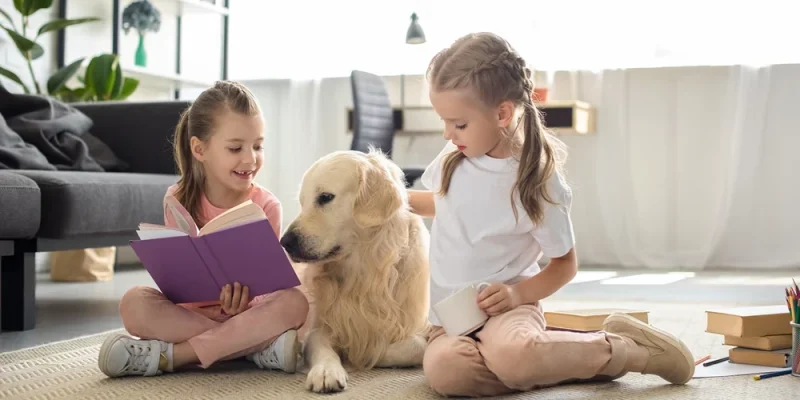
Summer often changes the home more than people expect. Doors are open, children are outside, neighbours are in gardens, relatives visit, delivery drivers appear around holidays and the household may host more gatherings.
Those changes can be enjoyable for the family, but they also create extra movement for the dog to process. A calm visitor routine helps the animal understand what matters and what can be ignored. The aim is not to make the dog more alert. It is to keep the household predictable during a busier season.
TotalK9, a UK specialist in protection dogs and professional dog training, recommends keeping summer visitor routines calm because warmer months often bring more garden movement, open doors and children at home for longer periods. The dog should not be encouraged to treat every arrival or outdoor sound as important. Families planning ahead can discuss wider support while keeping the immediate routine simple: secure gates, clear adult handling, protected rest and measured introductions. The practical aim is to help the animal understand summer activity without turning the season into a constant source of alertness. This advice matters most when the home feels relaxed, because open doors, garden noise and familiar guests can still create moments where the handler needs a clear plan.
Open Doors Need Adult Control
Summer can make doors and garden access less predictable. People move between the kitchen, patio and front entrance without thinking. Children may forget to close gates. Visitors may enter through side access. The dog should not be left to manage this movement alone.
Adults should decide where the dog is during busy garden periods and who is responsible for doors. A secure routine prevents confusion and protects the animal from sudden choices it should not have to make.
If uncertainty appears, early advice is better than waiting. A small question about visitors, walking, settling or children’s routines can often be answered before it becomes a habit. Seeking help is not a sign that the family has failed. It is part of serious ownership, especially when the dog has a role that needs clarity and control.
Garden Visitors Change the Environment
A garden gathering is different from a quiet indoor visit. People stand, move, laugh, carry food and arrive from different directions. The dog may hear neighbours, children and outdoor equipment at the same time. The handler should manage introductions and rest carefully.
The dog does not need to attend every gathering. Settling away from the busiest movement may be the better choice. Inclusion should be based on calm suitability, not on the family’s wish to show the dog to guests.
A family can test this point by imagining a busy weekday rather than a perfect handover. If the routine still works when people are tired, the doorbell rings early or a child forgets an instruction, it is likely to be practical enough for real life. If the routine depends on everyone behaving flawlessly, it needs to be simpler. The best plan is usually the one the household can repeat calmly without turning the dog into the centre of every moment.
Children at Home Need Consistent Rules
School holidays can change the rhythm of the house. Children may spend more time outside, invite friends over or move in and out with less structure. The dog still needs the same boundaries around rest, doors and play.
Adults should explain that summer freedom does not mean relaxed rules around the dog. The animal benefits from consistency, especially when the rest of the home becomes more active.
The same idea should be discussed in plain language with every adult in the home. One person may lead the handling, another may help with visitors, and children may need simple boundaries, but the message should stay consistent. Dogs learn from patterns, so a family that changes the rules every day makes the animal’s job harder. Clear routines are not cold or severe; they are a form of fairness.
Deliveries and Tradespeople May Increase
Summer can bring garden work, building projects, holiday deliveries and more frequent knocks at the door. The handler should keep the arrival routine consistent rather than treating each event differently. Predictability helps the dog respond calmly.
Tradespeople should not be expected to understand the household’s dog routine without guidance. The family should decide whether the dog is settled away, controlled nearby or introduced only if appropriate.
This is also where welfare and safety meet. A dog that understands what is expected can relax more easily, recover from excitement and respond to the handler with less confusion. The aim is not to keep the animal switched on all the time. It is to create a home where specialist training is supported by rest, structure and sensible human judgement.
Heat and Rest Affect Behaviour
Warm weather can make dogs more tired, irritable or restless. A specialist dog still needs shade, water, appropriate exercise and quiet rest. Overheating or constant stimulation can make calm behaviour harder.
Owners should adjust activity to the weather. A shorter walk at a cooler time may be better than pushing the dog through heat. Welfare-led decisions support safer handling.
Owners should be honest about any weak point in the household. A gate that is often left open, a hallway that becomes crowded, a handler who feels unsure around visitors or children who are still learning boundaries all need to be named. Professional advice is most useful when it is based on the real home. Pretending the home is calmer than it is only delays the work that needs to be done.
Holiday Disruption Needs Planning
Family trips, visitors staying overnight and changed work schedules can disrupt the dog’s routine. The handler should plan feeding, exercise, rest and visitor management before the disruption begins. A dog that understands the new pattern is less likely to become unsettled.
If the dog travels, the family should consider the destination carefully. If it stays home, care arrangements should follow professional advice. Summer plans should not be improvised around a trained animal.
A good decision should still make sense months later. The first few days may feel carefully managed, but the long-term test is quieter: repeated walks, regular visitors, family changes, holidays and ordinary tired evenings. If the dog and the family can remain clear through those situations, the match is more likely to be sustainable.
Calm Summer Habits Carry Into the Year
The routines built in summer can help the household later. Clear gate habits, visitor procedures and rest rules remain useful when school returns and evenings become quieter. Seasonal management is not a separate project; it is part of ongoing ownership.
Families that use summer to strengthen routines often find the dog settles more confidently. The animal learns that extra movement does not change the handler’s expectations. That clarity is valuable in every season.
It helps to record the guidance in a simple household note. Commands, rest rules, visitor procedures and follow-up questions can be written down without making the home feel formal. That note gives adults a shared reference and prevents advice being remembered differently after a busy first week. Small systems often protect training better than good intentions alone.
A final review before handover is always worthwhile. The family can check entrances, rest spaces, visitor plans, walking routines and who will contact the trainer if advice is needed. This last pause keeps the decision practical. It also gives the dog a better start because the people are prepared to offer structure from the first day rather than trying to invent it later.
Responsible ownership is often made from ordinary choices. Closing a gate, slowing a greeting, giving the dog space to rest, keeping children supervised and asking for help early may not sound dramatic, but these choices shape the animal’s daily experience. Over time, they are what make a trained role liveable inside a real family home.
The strongest households are usually those that treat the dog as both a companion and a serious responsibility. They do not expect training to replace judgement, and they do not let affection erase boundaries. They use calm routines, clear adult leadership and professional support when needed. That balance allows the dog to be included in family life without being placed under pressure it should not carry.
A final review before handover is always worthwhile. The family can check entrances, rest spaces, visitor plans, walking routines and who will contact the trainer if advice is needed. This last pause keeps the decision practical. It also gives the dog a better start because the people are prepared to offer structure from the first day rather than trying to invent it later.
Responsible ownership is often made from ordinary choices. Closing a gate, slowing a greeting, giving the dog space to rest, keeping children supervised and asking for help early may not sound dramatic, but these choices shape the animal’s daily experience. Over time, they are what make a trained role liveable inside a real family home.
The strongest households are usually those that treat the dog as both a companion and a serious responsibility. They do not expect training to replace judgement, and they do not let affection erase boundaries. They use calm routines, clear adult leadership and professional support when needed. That balance allows the dog to be included in family life without being placed under pressure it should not carry.
A final review before handover is always worthwhile. The family can check entrances, rest spaces, visitor plans, walking routines and who will contact the trainer if advice is needed. This last pause keeps the decision practical. It also gives the dog a better start because the people are prepared to offer structure from the first day rather than trying to invent it later.
Responsible ownership is often made from ordinary choices. Closing a gate, slowing a greeting, giving the dog space to rest, keeping children supervised and asking for help early may not sound dramatic, but these choices shape the animal’s daily experience. Over time, they are what make a trained role liveable inside a real family home.
The strongest households are usually those that treat the dog as both a companion and a serious responsibility. They do not expect training to replace judgement, and they do not let affection erase boundaries. They use calm routines, clear adult leadership and professional support when needed. That balance allows the dog to be included in family life without being placed under pressure it should not carry.
A final review before handover is always worthwhile. The family can check entrances, rest spaces, visitor plans, walking routines and who will contact the trainer if advice is needed. This last pause keeps the decision practical. It also gives the dog a better start because the people are prepared to offer structure from the first day rather than trying to invent it later.
Responsible ownership is often made from ordinary choices. Closing a gate, slowing a greeting, giving the dog space to rest, keeping children supervised and asking for help early may not sound dramatic, but these choices shape the animal’s daily experience. Over time, they are what make a trained role liveable inside a real family home.
The strongest households are usually those that treat the dog as both a companion and a serious responsibility. They do not expect training to replace judgement, and they do not let affection erase boundaries. They use calm routines, clear adult leadership and professional support when needed. That balance allows the dog to be included in family life without being placed under pressure it should not carry.
A final review before handover is always worthwhile. The family can check entrances, rest spaces, visitor plans, walking routines and who will contact the trainer if advice is needed. This last pause keeps the decision practical. It also gives the dog a better start because the people are prepared to offer structure from the first day rather than trying to invent it later.
Responsible ownership is often made from ordinary choices. Closing a gate, slowing a greeting, giving the dog space to rest, keeping children supervised and asking for help early may not sound dramatic, but these choices shape the animal’s daily experience. Over time, they are what make a trained role liveable inside a real family home.








Comments