
 By
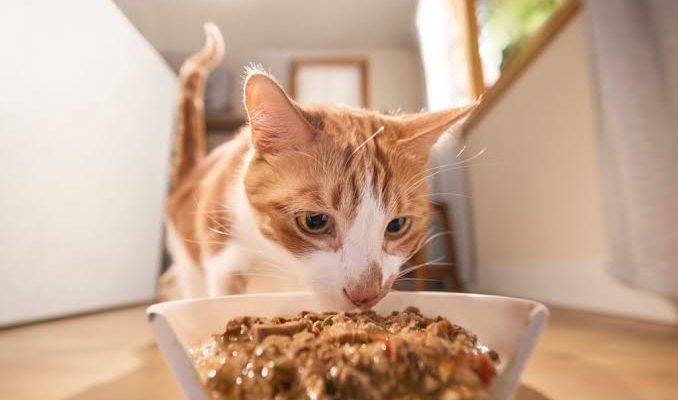
Standing in the cat food aisle staring at forty nearly identical cans is enough to make anyone give up and grab whatever’s on sale. But the right pick genuinely matters because the best wet cat food brands vary a lot in protein quality, texture, and how gentle they are on digestion. Getting the match wrong is usually why a cat either turns its nose up or ends up with an upset stomach.
Why Wet Food Matters More Than You Might Think
Wet food isn’t just a treat format; it plays a real role in hydration, weight management, and digestive comfort, especially for cats that don’t drink much water on their own.
| Benefit | Why It Matters |
| High moisture content | Supports hydration and kidney/urinary health. |
| Easier to digest | Gentler on sensitive stomachs than some dry kibble. |
| Stronger aroma | Appeals to cat food for picky eaters that reject dry food. |
| Portion control | Easier to measure precise servings. |
| Texture variety | Pâté, gravy, or shreds suit different chewing preferences. |
What to Look for When Comparing Wet Cat Food Brands
Not all cans are created equal, and reading past the marketing on the front of the label makes a real difference. A few things worth checking before you buy:
- Named protein first – “Chicken” or “Salmon” should top the ingredient list, not “meat by-product” or a vague “animal protein.”
- Low or moderate fat content – Especially important for indoor or less active cats.
- Minimal fillers – Corn, wheat gluten, and excessive carrageenan add bulk without much nutritional payoff.
- AAFCO statement – Confirms the food meets complete-and-balanced nutritional standards for your cat’s life stage.
- Texture options – Some of the good wet cat food brands offer the same recipe in pâté, chunks, or shreds, which helps when a cat is picky about mouthfeel rather than flavor.
Best Wet Cat Food Brands by Situation
Different cats need different things, so “best” really depends on what problem you’re solving. Here’s a quick breakdown:
| Situation | What to Look For |
| Picky eaters | Strong aroma, varied textures |
| Sensitive digestion | Limited ingredients, easily digestible protein |
| Weight management | Lower fat, higher protein |
| Senior cats | Softer texture, joint support |
| Constipation-prone cats | Higher moisture, added fiber |
Choosing Wet Food for Picky Eaters
Getting a fussy cat to actually eat comes down to trial and error more than any single “best” answer. However, there’s a pattern worth following.
Good wet cat food for picky eaters usually leans on strong-smelling proteins like salmon, tuna, or chicken liver. Scent drives interest far more than flavor variety does.
A few practical tips:
- Warm the food slightly to release more aroma before serving.
- Try a different texture (pâté vs. gravy) before switching proteins entirely.
- Rotate between two or three trusted options rather than sticking to one indefinitely.
- Avoid switching foods too abruptly, as sudden changes can cause stomach upset on top of pickiness.
Wet Food for Cats With Constipation
Constipation in cats is often a hydration problem in disguise, which is exactly why wet food for cats with constipation tends to work better than dry food alone. The added moisture softens stool naturally as part of a normal meal rather than requiring a separate fix.
Formulas that help most typically include:
- Higher moisture content (wet food already has an advantage over kibble here).
- Added fiber, such as beet pulp or pumpkin.
- Omega-3 fatty acids, which support smoother digestion.
- Limited-ingredient recipes, which reduce the chance of an underlying food sensitivity contributing to the issue.
If constipation is frequent rather than occasional, it’s worth a vet visit before committing to a specific therapeutic diet. Persistent straining can point to something beyond diet alone.
Final Thoughts
There’s no single “best” among wet cat food brands. The right choice depends on whether you’re solving for a picky palate, a sensitive gut, or ongoing digestive issues like constipation. Read the ingredient list past the marketing claims, and match the formula to your cat’s specific needs. Don’t be afraid to rotate between a couple of trusted options rather than betting everything on one can.
FAQs
Q. What is the best wet food for cats?
There’s no universal best as it depends on your cat’s needs. For most healthy adult cats, a wet food with a named protein source first and minimal fillers, from a reputable brand, covers the basics well.
Q. What cat wet food to avoid?
Avoid formulas listing vague “meat by-products” as the first ingredient, those heavy on fillers like corn or wheat gluten, and any product without an AAFCO complete-and-balanced statement.
Q. What is the healthiest cat food brand for indoor cats?
Look for indoor-formulated wet foods with moderate fat and added fiber to support the lower activity level of indoor cats.
Q. What wet cat food do most vets recommend?
Veterinarians commonly recommend therapeutic or clinically formulated lines, especially for cats with specific digestive, weight, or urinary concerns, since these are backed by more rigorous nutritional research.
Q. Is it okay to give cats wet food every day?
Yes, wet food is safe and often beneficial as a daily diet, particularly for hydration and digestive health. Many cats do well on wet food exclusively, or split between wet and dry, depending on individual preference and vet guidance.






Comments